If you've searched "shrub trimming service near me" in Pendleton, SC, you're likely staring down an overgrown hedge and wondering what a fair price looks like. Pendleton sits in USDA hardiness zone 8a, which means shrubs here grow for more months out of the year than they do farther north. That longer growing season changes both the cost and the timing of a good trim, and this guide breaks down both.
What Does Shrub Trimming Cost in Pendleton, SC?
Local shrub and bush trimming typically runs on one of two pricing structures: per bush or hourly. Here's how the numbers generally break down for Upstate SC properties.
| Pricing Factor | Typical Range |
|---|---|
| Per bush (standard size) | $5 to $20 |
| Per bush (over 6 feet tall) | $10 to $35 |
| Hourly rate | $40 to $85 |
| Minimum service fee per visit | $50 to $200 |
| Small property (5 to 10 bushes) | $50 to $150 total |
Most companies set a minimum visit fee regardless of job size, so a single overgrown shrub rarely gets you below that floor. Larger properties with a dozen or more shrubs of mixed sizes usually land on an hourly quote instead, since height, condition, and accessibility all affect labor time.
Before booking anyone, get a written quote. Request a free estimate and we'll walk your property with you so there are no surprises on the invoice.
Per-Bush vs. Hourly: Which Pricing Model Costs Less?
Per-bush pricing is more predictable for small jobs. Hourly rates tend to make more sense for large properties with many shrubs of varying sizes.
A Pendleton homeowner with five to ten mid-sized bushes should expect a flat per-bush quote. Someone with a long privacy hedge or a dozen-plus mature shrubs will likely get an hourly estimate instead.
Comparing two or three local quotes is usually enough to spot a reasonable rate for your specific property.
What Factors Affect the Price of Shrub Trimming?
Six variables move the final number up or down. Understanding them helps you evaluate any quote you receive.
- Size of the shrub. Larger shrubs cost more either way, since bigger plants take longer to shape and clean up.
- Number of bushes. Bundling all your shrubs into one visit usually costs less per bush than calling separately for each bed.
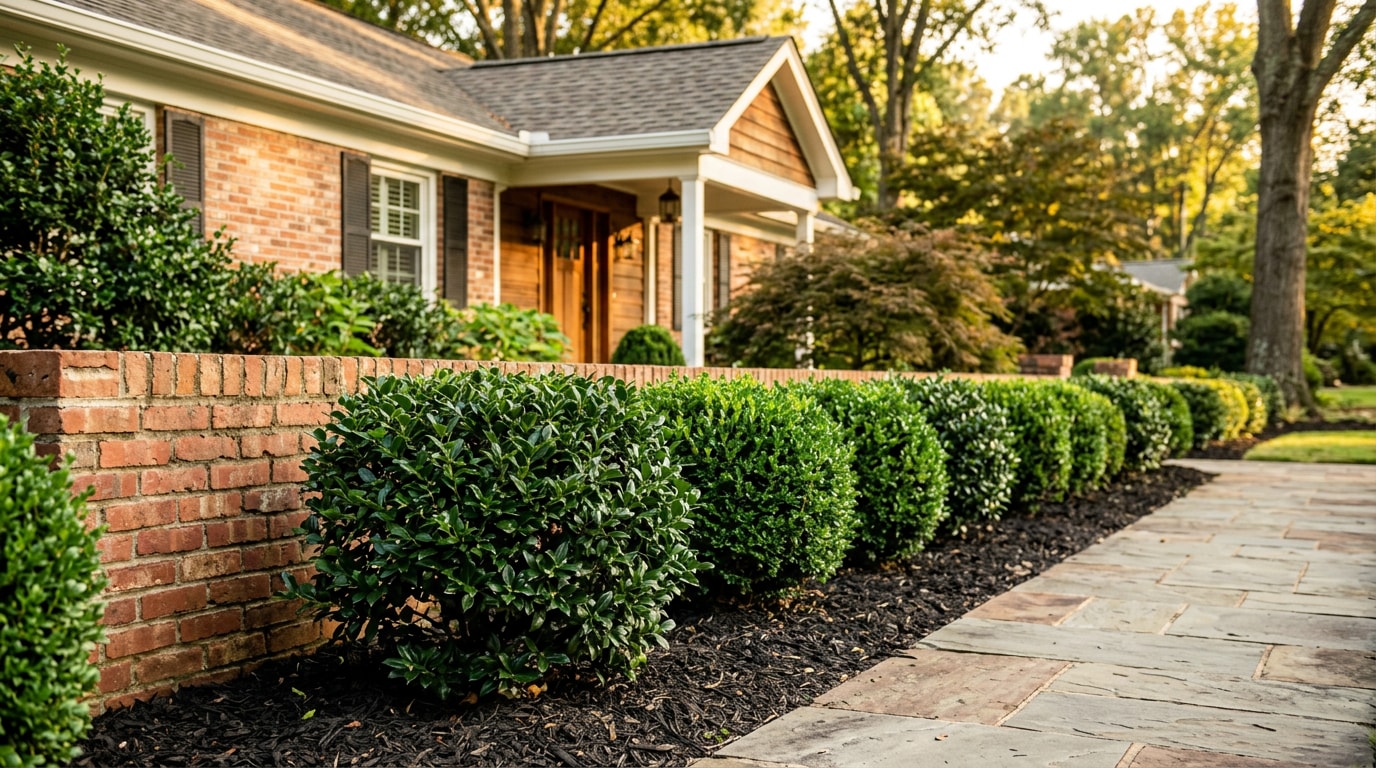
- Shrub species. Dense evergreens like boxwood have thicker, woodier branches that demand heavier tools and more time than soft, fast-growing varieties.
- Accessibility. Shrubs on slopes, against a foundation, or squeezed between fences cost more because crews need extra time and sometimes different equipment.
- Debris hauling. Ask whether cleanup and haul-away are included or billed separately. This detail can shift the total noticeably. Our debris removal crews often bundle this into the same visit.
- Frequency of service. A standing maintenance plan lets a crew work faster because the shrubs never reach the overgrown stage that demands extra labor.
Why Regular Trimming Matters More in Pendleton's Climate
Pendleton's zone 8a climate, confirmed on the USDA Plant Hardiness Zone Map, means a long growing season and mild winters. That combination pushes many common landscape shrubs here to three or four trims a year rather than the one or two that might suffice farther north. Homeowners who skip a season often pay more later for overgrowth correction, since a shrub that's gone two seasons without a cut needs far more labor to bring back into shape than one that's trimmed on schedule.
Trimming also directly affects plant health, not just curb appeal. Cutting back growth encourages denser branching and improves airflow through the canopy, which reduces the fungal and pest problems that thrive in crowded, untrimmed shrubs. University extension guidance is consistent on the limit: a good rule of thumb is to remove no more than one third of a plant each year, since removing more can cause excessive stress and an undesirable amount of regrowth that weakens the shrub.
Best Time to Trim Shrubs in Pendleton, SC
Timing matters as much as technique. Spring-blooming shrubs set next year's flower buds shortly after they finish blooming, so trimming them in late summer or fall can remove next year's flowers before they open. Shrubs that bloom in summer, or don't flower at all, are more forgiving and can usually be cut back in late winter or early spring.
For species-specific timing in the Upstate, Clemson Cooperative Extension's guide to pruning shrubs is worth checking before you pick up the shears. If crepe myrtles are part of your landscape, timing matters even more, since cutting them at the wrong point in the season leads to the "crepe murder" look. Our crepe myrtle trimming guide for Pendleton covers that in detail.
How Professional Crews Trim Shrubs and Hedges
Professional trimming follows a predictable sequence. The first step in pruning a shrub is to remove all dead, diseased or injured branches, then remove branches that cross or touch each other and those that look out of place. If the shrub is still too dense or large, remove some of the oldest branches.
Good crews step back frequently to check their work from a distance, since it's easy to over-cut when working up close. Hand shears usually produce cleaner results on individual specimen shrubs, while powered hedge trimmers work faster on long, uniform hedgerows. Sharp blades matter more than the tool brand; dull blades tear foliage instead of cutting it, leaving ragged, brown-tinged edges.
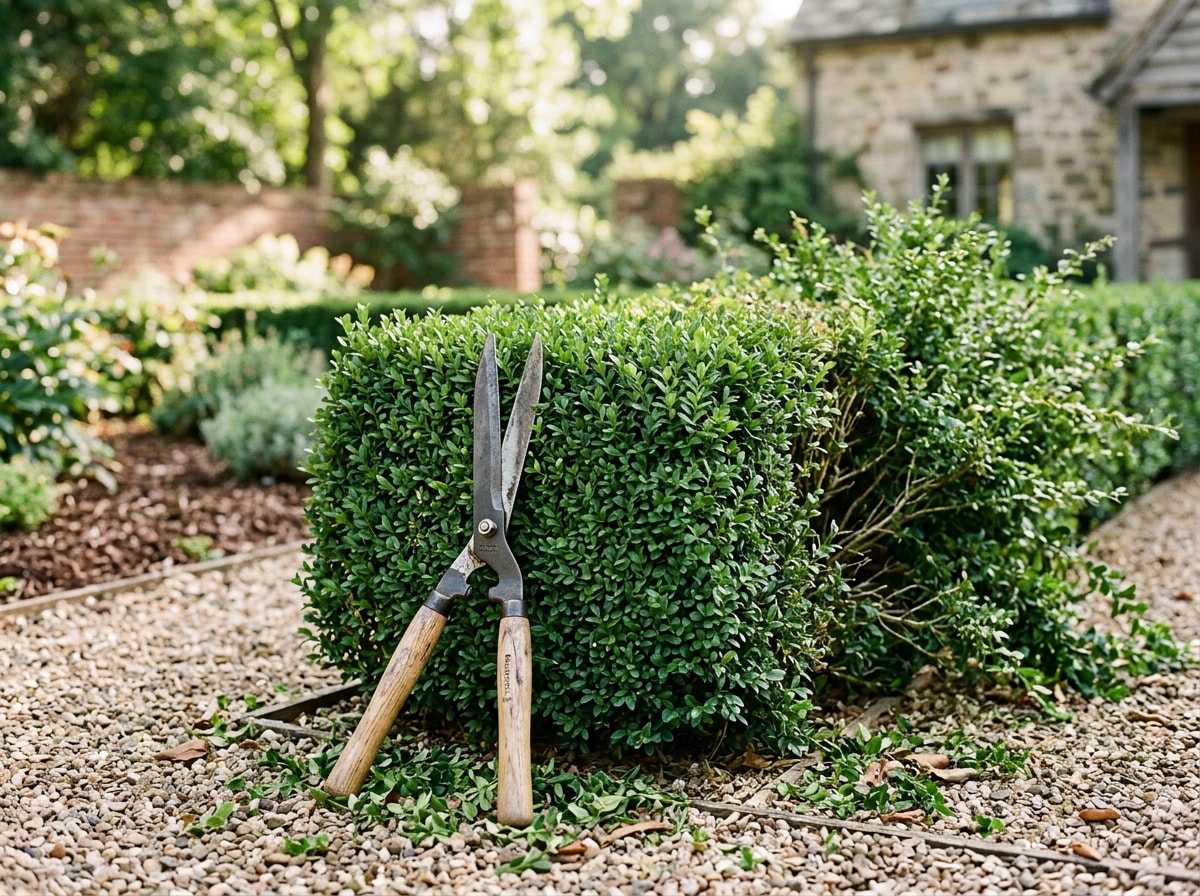
Trimming Severely Overgrown Shrubs
Shrubs that haven't been touched in years usually need rejuvenation pruning spread across two to three years rather than one aggressive cut. The process starts by removing the oldest, thickest branches down to ground level while keeping total foliage loss under one-third per session. That lets the shrub recover and fill in gradually instead of shocking it all at once. Our tree trimming crews use this same staged approach on overgrown ornamentals across Oconee and Anderson counties.
Common Mistakes to Avoid
The most frequent DIY errors come down to timing, technique, and tools:
- Cutting too much foliage off in a single session
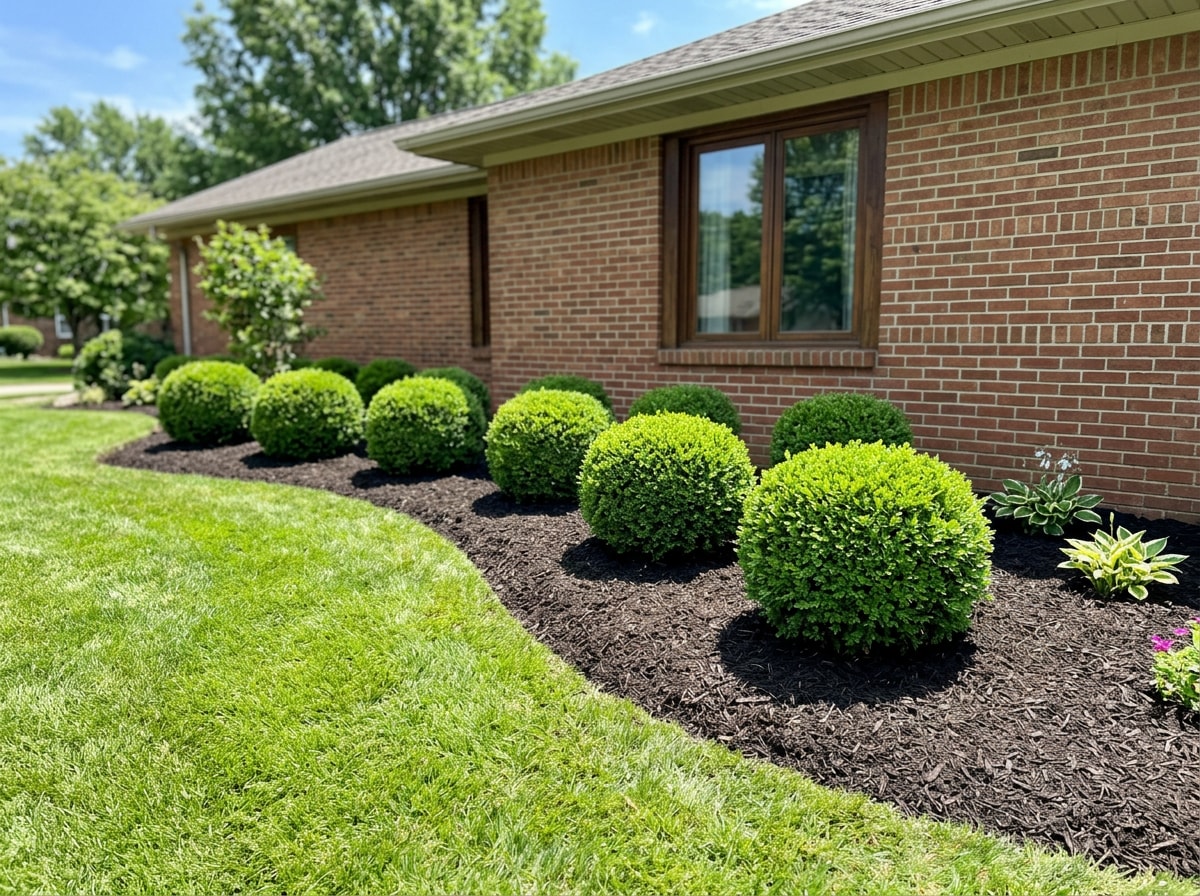
- Flattening the top of a naturally rounded shrub instead of following its form
- Using dull blades that tear rather than slice
- Lingering too long in one spot, which creates uneven dips
- Trimming spring bloomers in fall and losing next year's flowers
A shrub cut into the wrong shape can take a full growing season or longer to recover. That's one reason many homeowners eventually hand the job to a crew that trims shrubs for a living.
DIY vs. Hiring a Professional Shrub Trimming Service
DIY trimming on a handful of shrubs typically takes one to three hours or more, depending on size and overgrowth. A professional crew usually finishes the same job in under an hour with better tools and more practice.
There's also a real injury risk to weigh. Power hedge trimmers are convenient but potentially dangerous, and an estimated 8,400 people required emergency room care in a recent year for injuries that included severe cuts and amputations. Most of those injuries happen when an operator removes a hand from the trimmer to pull branches away from the blade, which is a common move on dense, overgrown shrubs.
Buying quality shears, a powered trimmer, and basic safety gear can run $100 to $300 upfront, often more than a single professional visit costs. Hiring a trained crew shifts that risk off your shoulders and usually ends up costing less than most homeowners expect once tools, time, and a trip to urgent care are factored in.
Why Pendleton Homeowners Choose Argus III Forestry
I'm Argus Sanders III, owner of Argus III Forestry. I grew up in Oconee County and brought 20 years of heavy rigging experience from oilfield operations into this business before founding it. After trimming shrub beds and hedgerows on properties across Pendleton, Clemson, and Seneca, I've seen how fast Upstate clay soil and summer humidity push boxwood and holly past the point of an easy trim. We give exact price quotes before we start, and the number on your invoice is the number we agreed to. No surprise add-ons after the fact.
We also handle the jobs that come up alongside shrub work: storm-damaged limbs, stump removal, and full landscape cleanups. Browse our full tree service offerings or check our Pendleton, SC service area page to see current availability.
Ready for a crew to walk your property? Get a free estimate and we'll have someone out within a few days.
FAQ
How often should you trim your shrubs?
Trimming frequency depends on the species. Fast-growing boxwoods typically need a trim once a year, while slower-growing shrubs like yews can often go three to four years between trims without looking neglected. In Pendleton's longer growing season, most homeowners land closer to two or three trims per year for fast growers.
What are the benefits of shrub trimming?
Beyond curb appeal, regular trimming keeps shrubs healthier by improving airflow and light penetration, which promotes new growth. It also prevents overgrown shrubs from becoming hiding spots for pests near entry points.
What's the difference between trimming and pruning?
Trimming generally means light shaping that maintains a shrub's existing form. Pruning involves more targeted cuts aimed at plant health, such as removing dead wood, crossing branches, or encouraging specific growth patterns.
Can you kill a bush by trimming it too much?
Yes. Removing too much foliage at once can seriously stress or kill a shrub, especially if it happens repeatedly or during the wrong season. Sticking to the one-third rule per session greatly reduces that risk.
What's a fair price for shrub trimming in Pendleton, SC?
A fair price generally lands around $45 to $75 per hour or roughly $5 to $20 per bush, though size and species can push the number higher. Getting two or three local quotes is the simplest way to confirm you're paying a reasonable rate for your property.
Do I need a permit to trim shrubs in Pendleton, SC?
Routine shrub trimming on residential property typically doesn't require a permit. If your work involves heavier clearing near a right-of-way or larger vegetation removal, check with the town first; our brush clearing guide for Walhalla, SC covers permit considerations that often apply across Oconee and Anderson counties.