Cutting tree roots in Oconee County, SC isn't as simple as grabbing a shovel and a saw. South Carolina's trespass laws, the tree's own survival odds, and the region's compacted red clay all have a say in how the job goes. Get the distance, depth, or percentage wrong and you risk a dead tree, a liability claim, or both, so here's what actually matters before you cut.
Is It Legal to Cut Tree Roots in Oconee County, SC?
In most cases, yes. Property owners can trim roots that cross onto their land, even if the tree trunk belongs to a neighbor. Courts across South Carolina have generally followed this "self-help" approach for decades, letting owners cut back encroaching roots and branches up to their property line without the neighbor's permission.
That right has a hard limit, though. South Carolina's criminal code (Section 16-11-520) makes it unlawful to "willfully and maliciously" cut, injure, or deface someone else's tree, with penalties that scale up to a felony if the damage exceeds $10,000. Lawmakers introduced a bill (H.3624) in the 2025-2026 legislative session specifically to exempt routine boundary-line trimming from that statute, but it had not been signed into law as of this guide's publication. Until it is, reasonable, documented, boundary-respecting root cuts are your safest legal footing.
Shared and Protected Trees Change the Rules
A trunk growing directly on a property line is generally considered jointly owned by both neighbors. Cutting its roots without a conversation can create liability if the tree later declines or falls.
Some municipalities also regulate protected or "specimen" trees. Clemson's own code, for example, requires that any root pruning tied to new development be specified on an approved site plan, a reminder that tree protections often tighten during construction or permitting, not just on established yards. If you're unsure whether a large or old tree qualifies for protection, check with your local planning office first.
Talk to Your Neighbor Before You Cut
Even with the legal right to trim, a short conversation avoids disputes and gives your neighbor a chance to monitor the tree's health afterward. Over-cutting can leave you on the hook if the tree destabilizes or dies, so document the roots' condition with photos before you start.
Will Cutting Tree Roots Kill the Tree?
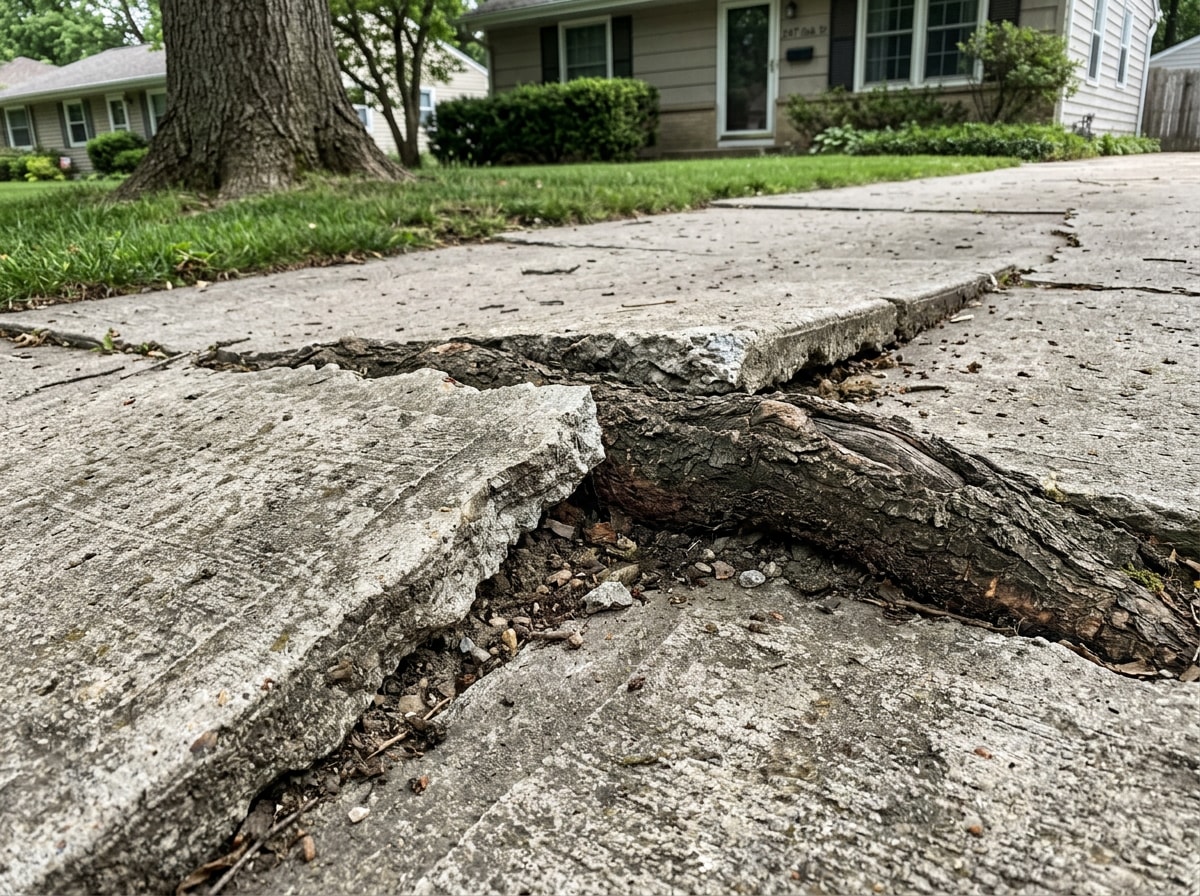
It depends on root size, location, and how much you remove in one session. Small feeder roots regenerate easily. Large structural roots, especially ones fused near the trunk, support the tree's stability and water uptake, and those are the ones that get trees killed.
A widely used municipal root-pruning field guide lays out the thresholds most arborists work from:
| Guideline | Recommended Limit |
|---|---|
| Minimum distance from trunk | 3x trunk diameter |
| Ideal distance from trunk | 5x trunk diameter |
| Maximum root zone removed per session | 25% |
| Roots needing an arborist's evaluation first | 3 inches or larger |
Young, vigorous trees tend to tolerate root loss better than older or already-stressed ones. Species matters too, and university extension horticulture guidance commonly notes that a healthy tree's root system can spread two to three times wider than its canopy, which is exactly why a root you find 15 feet from the trunk can still belong to that tree.
For mature water oaks and loblolly pines common around Seneca, Walhalla, and Westminster, we lean conservative. Compacted clay already limits root spread and oxygen exchange, so a tree here has less room to compensate for an aggressive cut than the same species growing in looser, sandier soil.
How to Cut Tree Roots Without Killing the Tree
Distance and tool choice matter more than brute force. A few rules apply across most species:
- Measure trunk diameter about 4 feet up, then multiply by 3 (minimum) to 5 (ideal) to find a safe cutting distance from the trunk.
- Never remove more than 25% of the total root zone in a single session.
- Only cut roots smaller than 3 inches across without a second opinion from a certified arborist.
- Dig by hand to fully expose the root before cutting; a backhoe, trencher, or stump grinder tearing through live roots causes far more damage than a clean saw cut.
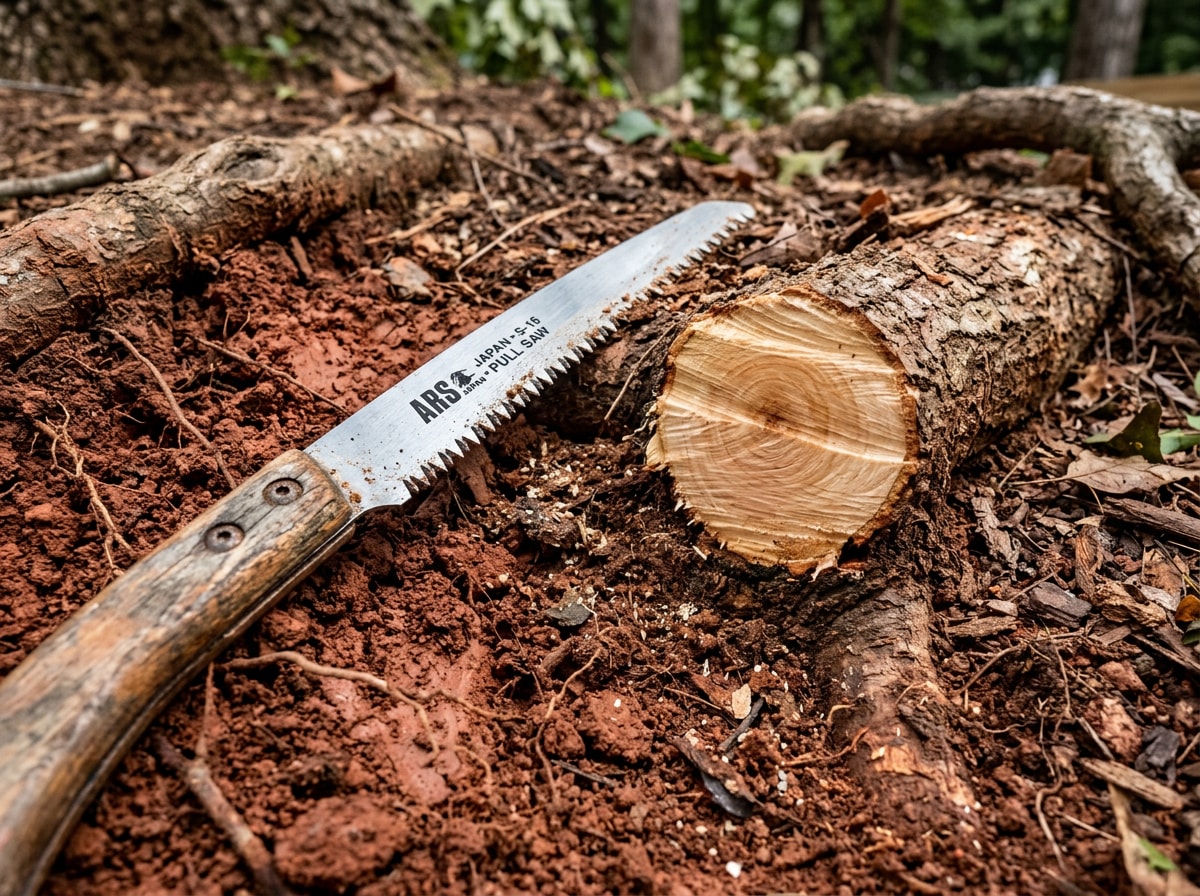
- Use a sharp pruning saw for a clean cut, then refill the hole promptly with loose native soil.
In Oconee County's compacted clay, roots often run shallower and wider than homeowners expect, so plan for more lateral digging than you'd need in sandy soil. Our crews at Argus Forestry spend a good chunk of every fall and winter exposing root systems exactly like this, and the clay here consistently surprises first-time DIYers with how far a "small" root travels before it narrows down.
Before any digging, call 811 to get utility lines marked. South Carolina's 811 program is free, and state law requires at least three business days' notice before you break ground, even for a homeowner project with a shovel.
Removing Tree Roots After a Tree Is Gone
Once a tree is removed, leftover roots can still cause regrowth, tripping hazards, or interference with new landscaping. You generally have three options.
Dig Them Out by Hand
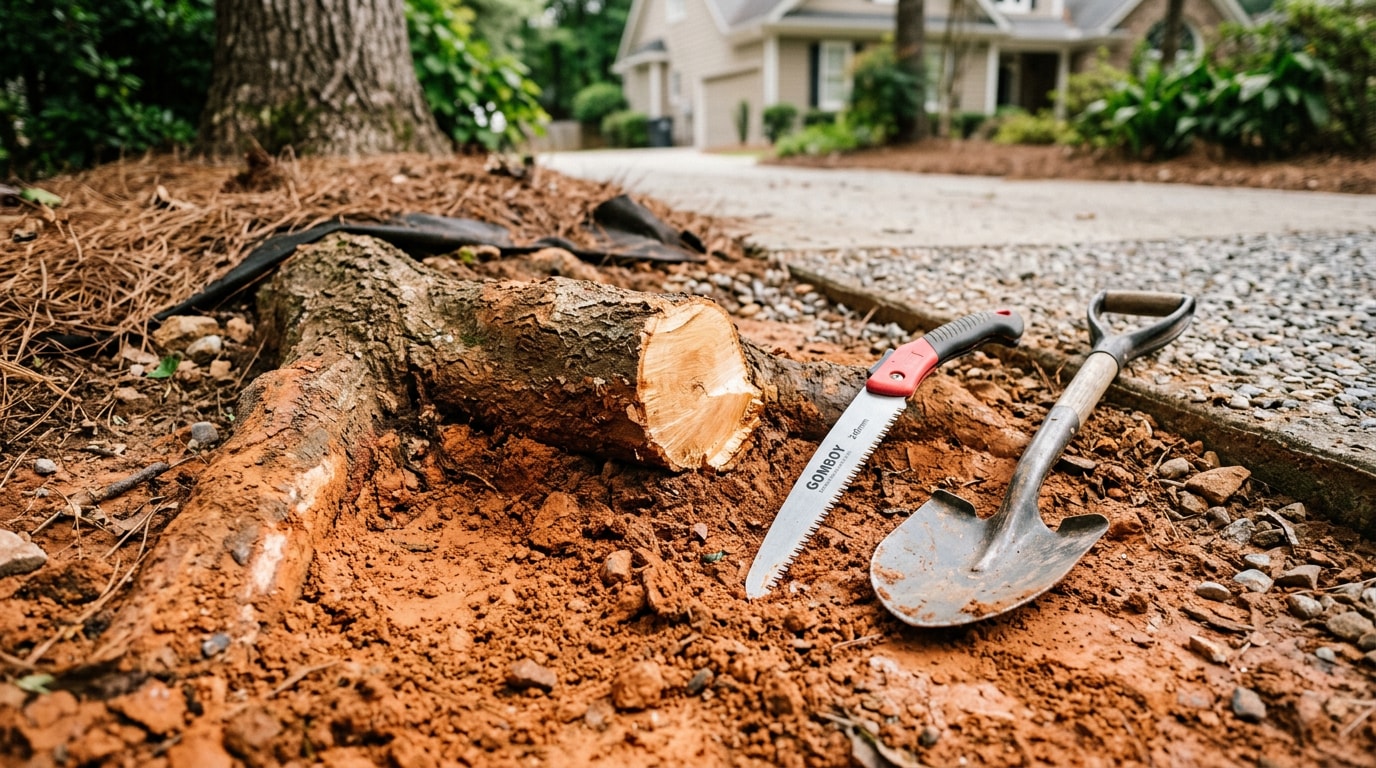
This works best for smaller root systems or roots already loosened by a stump grinder. Dig around each root with a mattock or root saw, cut through exposed sections, then pry out the loosened pieces. Tamp down the topsoil afterward so you don't end up with a low spot that collects standing water.
Treat the Roots Chemically
Herbicide treatment works when digging isn't practical, but follow the product's label directions precisely. Concentration, application method, and safety precautions vary by product, and misapplying herbicide near a septic system or well can cause real problems. If you're on a septic system, confirm the product is septic-safe before using it.
Hire a Professional
Large structural roots, roots near a foundation or septic line, uncertain tree health, or equipment needs beyond hand tools are all good reasons to bring in a crew. If the stump and major roots are substantial, our stump grinding services page covers equipment options and typical turnaround, and our tree removal team can evaluate whether a tree is worth saving before any roots come out. You can see the full list of communities we serve on our Oconee County service area page.
If a root is already undermining a foundation, driveway, or septic line and you're not sure how far it extends, get a free estimate before you start cutting. A wrong guess here is expensive to fix twice.
Tree Roots in Your Sewer or Water Lines
Roots searching for moisture often find their way into aging sewer lines, especially in older Oconee County neighborhoods with clay or cast-iron pipe. This isn't a rare nuisance: the EPA identifies tree roots entering through cracks or joints as a common cause of sewer blockages and a contributor to sanitary sewer overflows nationwide.
Home remedies like rock salt or foaming root killers poured down a drain can slow regrowth as ongoing maintenance, but they will not clear an already-blocked line, and some chemical root-control products are EPA-regulated, so check local wastewater rules before relying on them. If you notice slow drains, gurgling, or recurring backups, a professional camera inspection is the only reliable way to confirm root intrusion before it becomes a sewage backup.
FAQ
Is it legal to cut tree roots on your own property in Oconee County, SC?
Generally yes, as long as you stay on your own side of the property line and don't needlessly kill or destabilize the neighbor's tree. South Carolina's malicious tree-injury statute still applies if a cut is reckless or excessive, so document the roots and keep cuts proportionate.
How close to a tree can you safely cut roots?
Stay at least 3 times the trunk's diameter away from the trunk, and 5 times the diameter if you want a wider safety margin. Roots 3 inches or larger near that zone should be evaluated by a certified arborist before cutting.
Will cutting tree roots kill the tree?
Not automatically. Removing up to 25% of a tree's root zone in one session is the generally accepted ceiling, though outcomes vary by species, age, and how close the cuts are to the trunk. Mature trees in compacted clay have less room for error than young trees in loose soil.
Do tree roots grow back after being cut?
Smaller feeder roots often regrow, especially on younger, healthy trees. Larger structural roots regenerate much more slowly, if at all. Removing the stump significantly reduces regrowth, and a physical root barrier offers more lasting protection than repeated cutting.
Can I cut my neighbor's tree roots that are growing into my yard?
Generally yes, as long as the cut doesn't destroy or destabilize the neighbor's tree. Over-cutting can create liability if the tree later declines or falls, so it's worth having an arborist assess thicker roots before you cut them yourself.
What's the easiest way to remove roots after stump grinding?
Grinding first loosens the soil and breaks up the largest roots, which makes hand removal of what's left much faster. Dig around any remaining root sections with a mattock, cut through them, and pry out the pieces before backfilling the hole.
Still weighing whether to cut, grind, or remove a root system entirely? Our tree service team can walk the site with you and lay out the safest option for the tree and your property before anything gets cut. For more on evaluating a tree before you touch its roots, see our guide on arborist tree consultations in Oconee County.