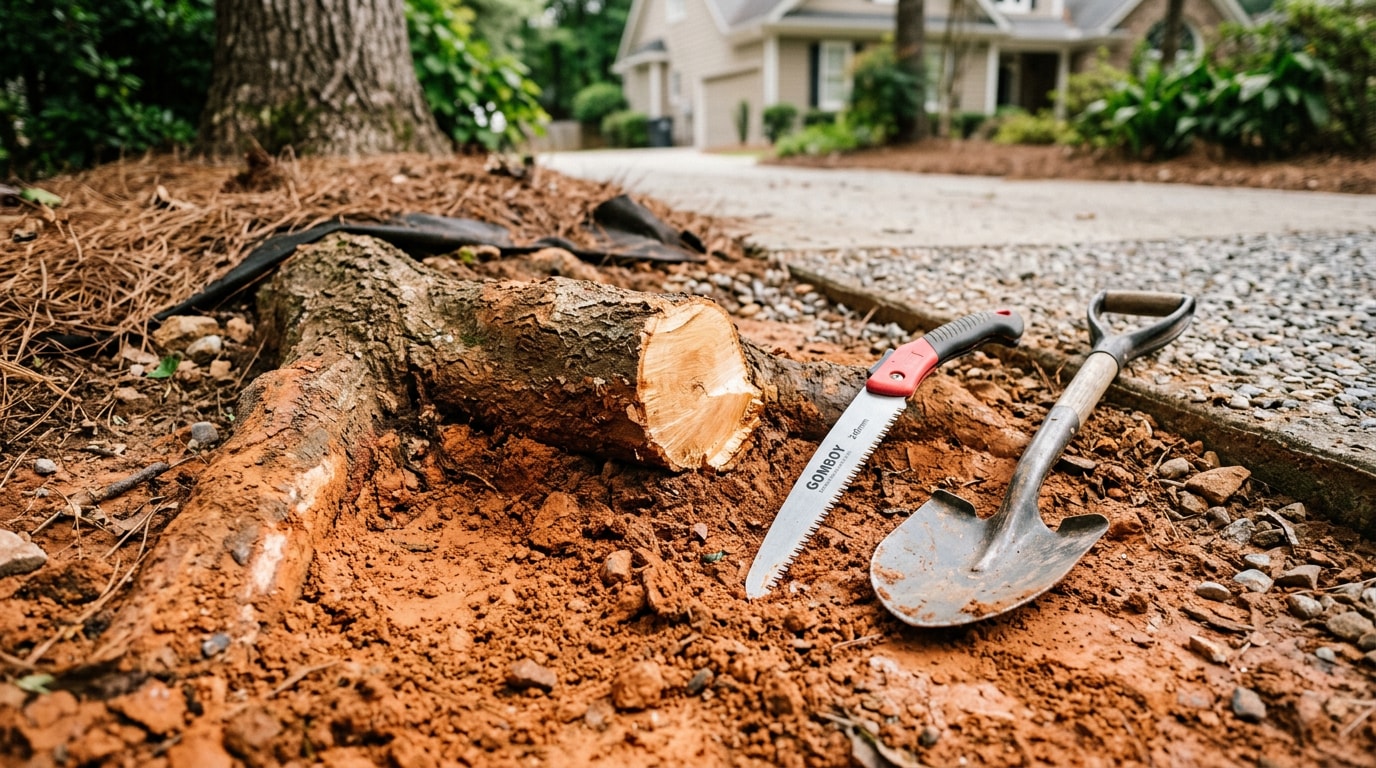
Tree repair in Six Mile, SC usually starts the morning after a storm, when you're standing in the yard looking at a gash in a trunk or a limb hanging by a strip of bark. Is it salvageable, or is this the start of a removal job? You have a narrow window to make the right call before decay sets in, and this guide walks through exactly how to make it.
Evaluating the Damage: Save, Wait, or Remove?
A damaged tree can typically be saved when less than 25% of its trunk circumference is affected, the crown is still mostly full, and the tree isn't leaning toward a house, fence, or power line. Damage beyond that point, especially combined with a lean or a split crown, usually points toward removal.
Start with a basic walk-around before deciding anything.
- Check the entire trunk, not just the side facing your house.
- Note how much bark and wood is missing, split, or hanging loose.
- Look at how much of the canopy is still intact.
- Check for a new lean or bulging soil at the base, which can signal root damage.
A storm-damaged tree that lost a few branches but kept its main leader and most of its canopy is a very different situation than one with a cracked trunk and exposed heartwood.
From there, you've really got three paths: repair it, monitor it through a season, or remove it.
| Damage Level | What It Looks Like | Likely Path |
|---|---|---|
| Minor | Small wounds, intact bark edges, full canopy | Clean and treat the wound |
| Moderate | Larger wound or partial split, canopy mostly intact | Monitor through next growing season |
| Severe | Trunk split into the root flare, major lean, over 50% canopy loss | Removal |
Getting this decision right is the foundation of any tree repair project, since treating a tree that should come down just wastes time and money.
Pickens County sees a predictable pattern after ice storms and summer thunderstorms. Clemson Cooperative Extension research following Hurricane Helene found the storm affected an estimated 1 to 4 percent of South Carolina's tree canopy, with water oak, pecan, Bradford pear, maple, and pine among the species most commonly associated with storm failure, while live oak, bald cypress, and southern magnolia tended to hold up comparatively well . In our service calls around Six Mile, we see that same split play out yard by yard: a water oak or Bradford pear with a cracked union right next to a live oak that barely lost a leaf in the same storm. If you're not sure which side of the save-or-remove line your tree falls on, a free estimate from a crew that knows the local species mix will save you a guessing game.
For a deeper breakdown of trunk circumference and crown-loss thresholds, Clemson's factsheet on managing storm-resistant landscapes lays out which species to watch most closely in this region.
How to Repair a Damaged Tree Trunk
Repairing a damaged tree trunk comes down to three steps: clean the wound, let it dry and breathe, and support recovery with proper care.
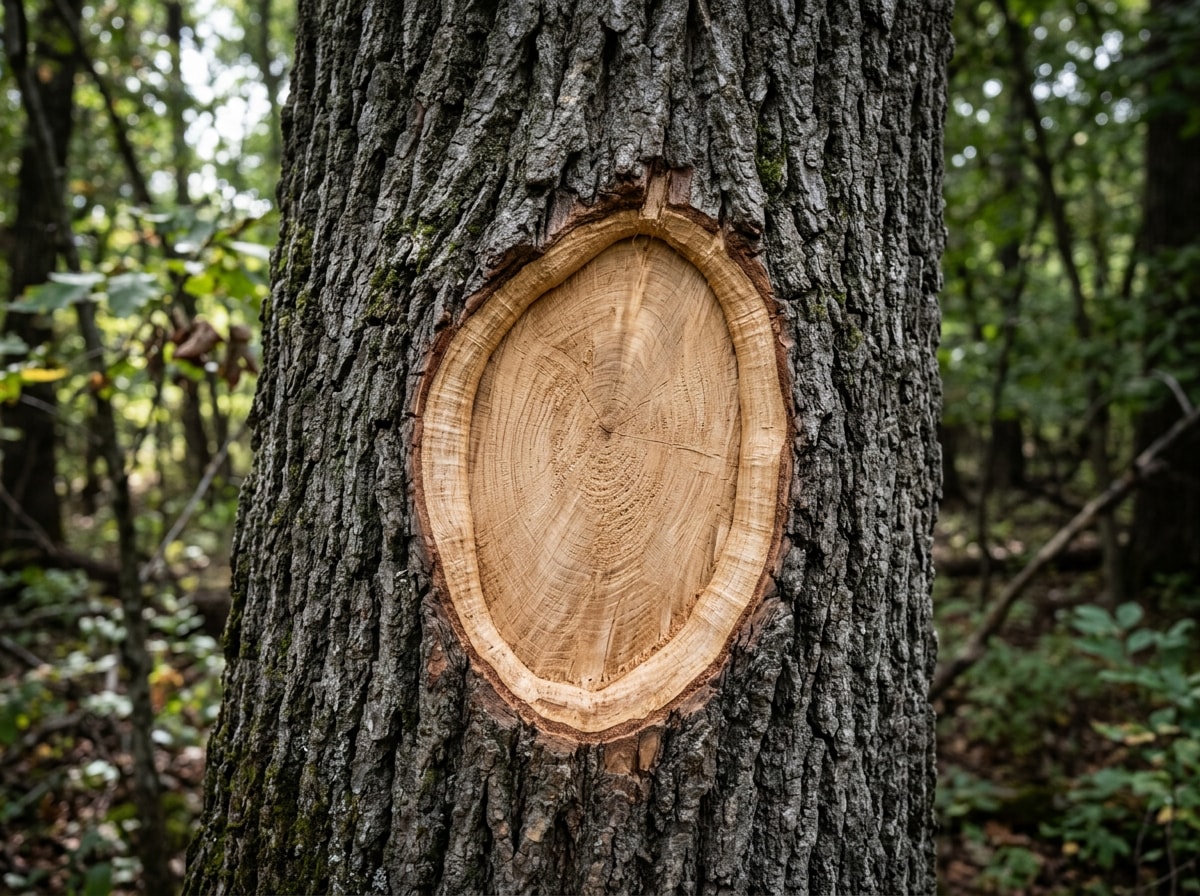
1. Clean the wound within 24-48 hours. Use a sharp, sanitized knife or chisel to cut away torn or hanging bark, working back to a smooth, rounded edge where the wood is firmly attached. A clean, rounded cut helps the tree compartmentalize the injury and grow callus tissue over it faster than a ragged tear would.
2. Skip the tar and paint. Most current guidance favors letting the tree seal itself with its own callus tissue, since trapped moisture under tape or plastic wrap often causes more harm than the original injury. If you do wrap a wound temporarily, use breathable material and remove it once new growth appears.
3. Support recovery, don't force it. Water deeply during dry spells and apply a modest layer of mulch around the base, keeping it off the trunk. Avoid heavy nitrogen fertilizer right after major bark damage. It can push weak, fast growth before the tree is ready for it.
DIY vs. Hire a Pro
Some tree repair is reasonable to handle yourself. Other jobs cross into territory where a mistake can cost a limb, a roof, or worse. Here's where that line usually falls.
| Task | DIY-Appropriate | Arborist Required |
|---|---|---|
| Cleaning small bark wounds | Yes | — |
| Removing low, small broken branches | Yes, with hand tools | — |
| Applying mulch or light fertilizer | Yes | — |
| Cabling or bracing a split trunk | No | Yes |
| Working near power lines | No | Yes |
| Climbing or overhead chainsaw work | No | Yes |
| Assessing root or structural stability | No | Yes |
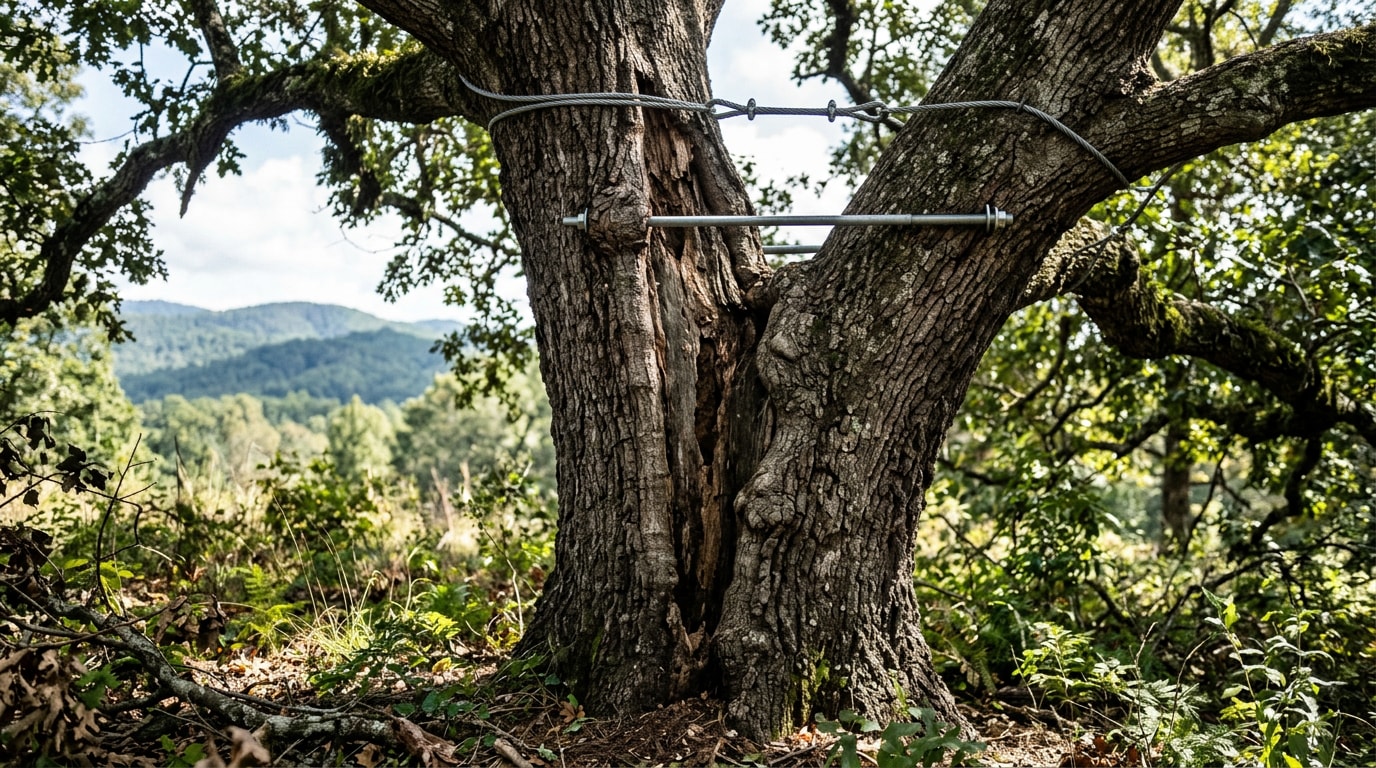
Take a codominant trunk split partway down the union, two main stems growing from roughly the same point, now cracked where they meet. It's tempting to think a few lag bolts will fix it. But if the split runs below the visible crack, or the stems are heavy and spread wide, drilling and tensioning it correctly takes real engineering judgment. Cabling and bracing has to redistribute weight precisely, or the tree can fail anyway in the next windstorm.
Call a certified arborist when you're dealing with multiple large wounds, any new lean, cracking that reaches into the root flare, or anything requiring you to leave the ground. Climbing and chainsaw work carry serious injury risk even for experienced homeowners. OSHA notes that tree care work ranks among the most hazardous trades, and its guidance on tree care hazards explains why professional training and rigging matter here.
If you're unsure which side of that line your situation falls on, a local tree service team can usually tell within minutes of looking at it. It's also worth noting that even routine pruning carries risk to a tree's long-term health if done incorrectly. Our guide on pollarding trees in Six Mile covers how aggressive cuts can do more harm than the original storm damage if they're handled wrong.
Tree Repair Services Available in Six Mile, SC
Pickens County's wooded, rural terrain means most properties here have mature hardwoods and pines close enough to homes and driveways that storm damage is a recurring concern, not a one-time event. A good local tree crew typically covers the full lifecycle of a damaged tree:
- Emergency tree removal for trees down on structures, vehicles, or power lines
- Cabling and bracing for trees worth saving after a split or lean
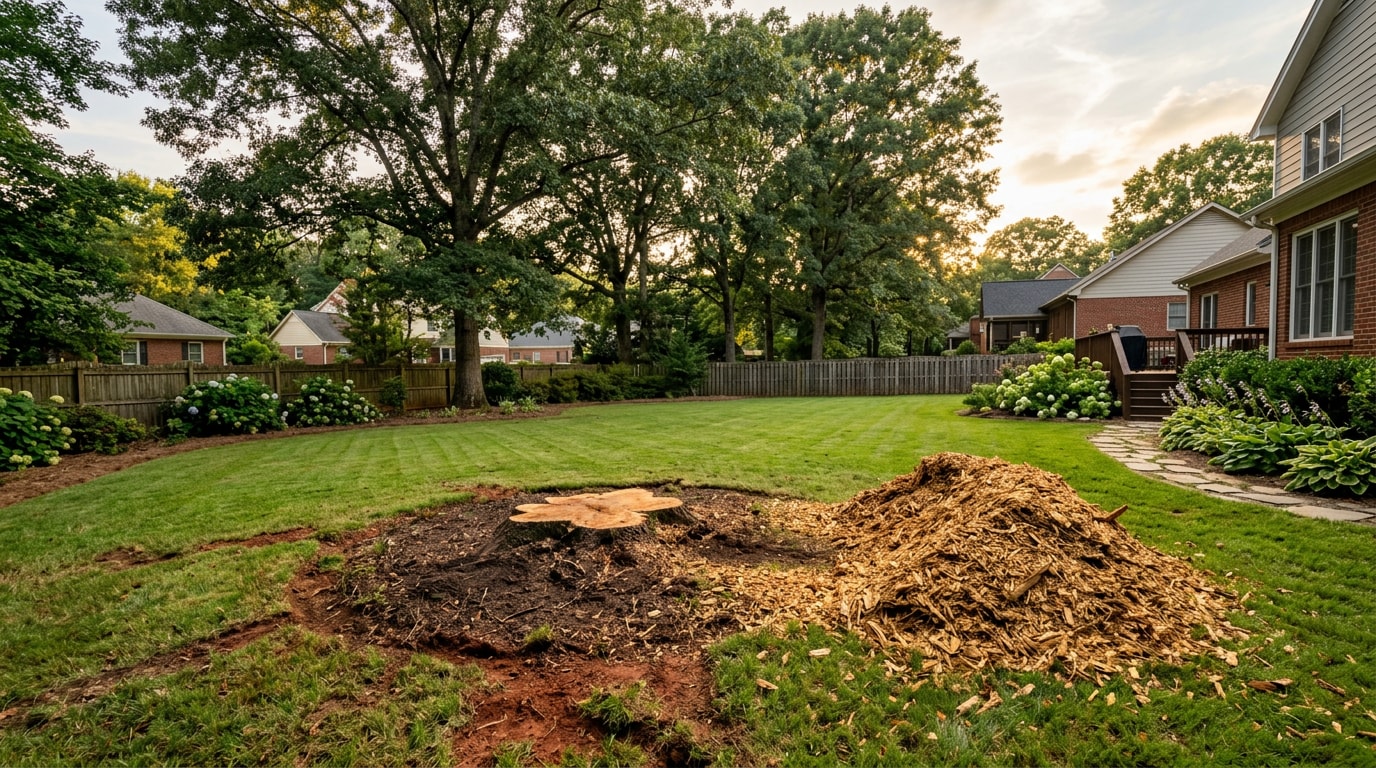
- Stump grinding once a tree can't be saved and has to come out
- Tree trimming and deadwood removal to reduce the odds of future splits
- Storm cleanup for downed limbs and debris after the crew finishes the repair work
Ice storms and summer thunderstorms are the two big stressors for trees around Six Mile, and both can show up with little warning. Having a crew already familiar with your property, and with Pickens County's soil and tree mix, generally means a faster response when a storm actually hits.
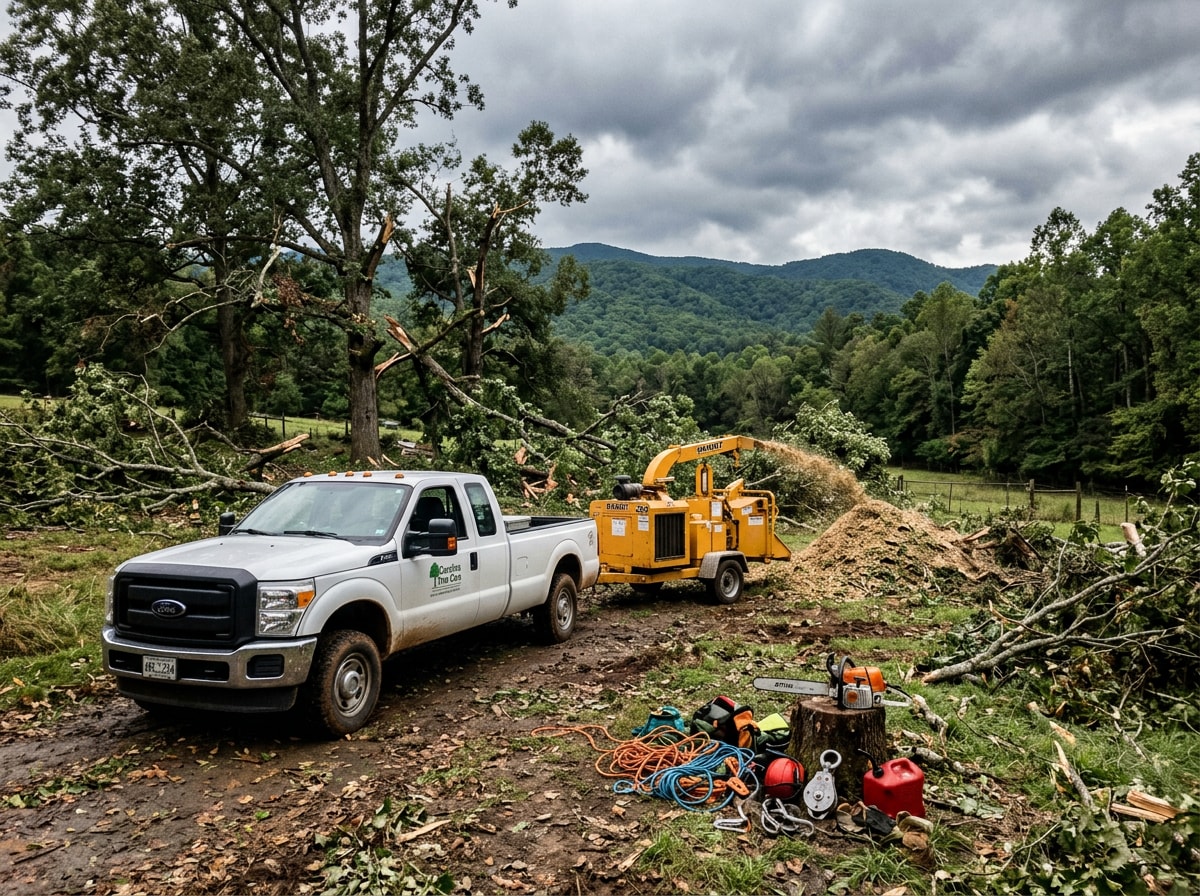
Most local companies, including ours, offer a free on-site estimate before any work starts. Someone walks the property, looks at the damage up close, and gives you a written quote along with an honest opinion on whether repair or removal makes more sense. It's worth getting one before deciding anything on a tree that seems borderline. Visit our homepage to see our full range of services, or check the Six Mile service area page to confirm coverage near you.
FAQ
Do You Handle Emergency Tree Removal After Storms?
Yes. Most Six Mile-area tree companies offer 24/7 emergency response for trees down on a structure, driveway, or power line. Response times vary depending on storm severity and call volume, so calling as soon as it's safe to do so helps you get in the queue faster.
How Does One Assess the Severity of Trunk Damage on a Tree?
Check how much of the circumference lost bark or wood, whether the crack reaches the root flare, and how much canopy remains. Trunk damage under roughly 25%, with an intact crown, usually heals. Damage beyond that, especially with a lean, generally doesn't.
Can a Split Tree Trunk Be Repaired?
Partial split-trunk repair is often possible if the crack hasn't fully separated the wood. Threaded rods or bolts, combined with cabling, can hold the stems together while the tree heals. A fully split or disjointed trunk, where the two sides no longer line up, usually can't be saved. University extension publications on bracing storm-damaged trees outline the bolting methods arborists use for partial splits, and they're consistent on one point: this is not a job for guesswork.
Can a Leaning Tree Be Saved?
It depends on size and how much root contact remains. A large uprooted tree should be removed, but smaller trees with exposed or lifted roots may be saved by replanting the root zone quickly and guying the tree for support until it's reestablished . A heavy lean on a mature tree with no visible root damage still needs an in-person look before you decide either way.
How Much Does It Cost to Repair a Damaged Tree Trunk?
Basic wound cleaning and dressing often runs $100 to $300 as part of a service call. Cabling and bracing for a split trunk typically falls between $300 and $1,500 depending on tree size and access. These are general ranges, not a quote. A free on-site estimate is the only reliable way to know your actual number, since every tree and every storm is different.
Ready to find out if your tree can be saved? Get a free estimate from the Argus III Forestry crew, and we'll give you an honest answer before you spend a dollar.