Tree brush removal in Westminster, SC gets complicated fast once privet, kudzu, and pine saplings take over a half-acre lot near Lake Hartwell. The right method, mechanical, manual, chemical, or forestry mulching, depends on your terrain, timeline, and what you're building next. This guide breaks down 2026 pricing, equipment, and the local permit rules most homeowners never hear about until it's too late.
Tree Brush Removal Methods Used in Westminster, SC
Westminster lots range from open pasture to dense hardwood and pine mixed with Lake Hartwell shoreline growth. No single method fits every property, which is why your quote should start with the right technique, not just a price.
Mechanical Clearing
Mechanical clearing relies on bulldozers, excavators, and tree shears to move fast across large or heavily wooded sites. It's the standard choice when speed matters more than a light footprint, such as whole-lot prep for new construction.
Manual Clearing
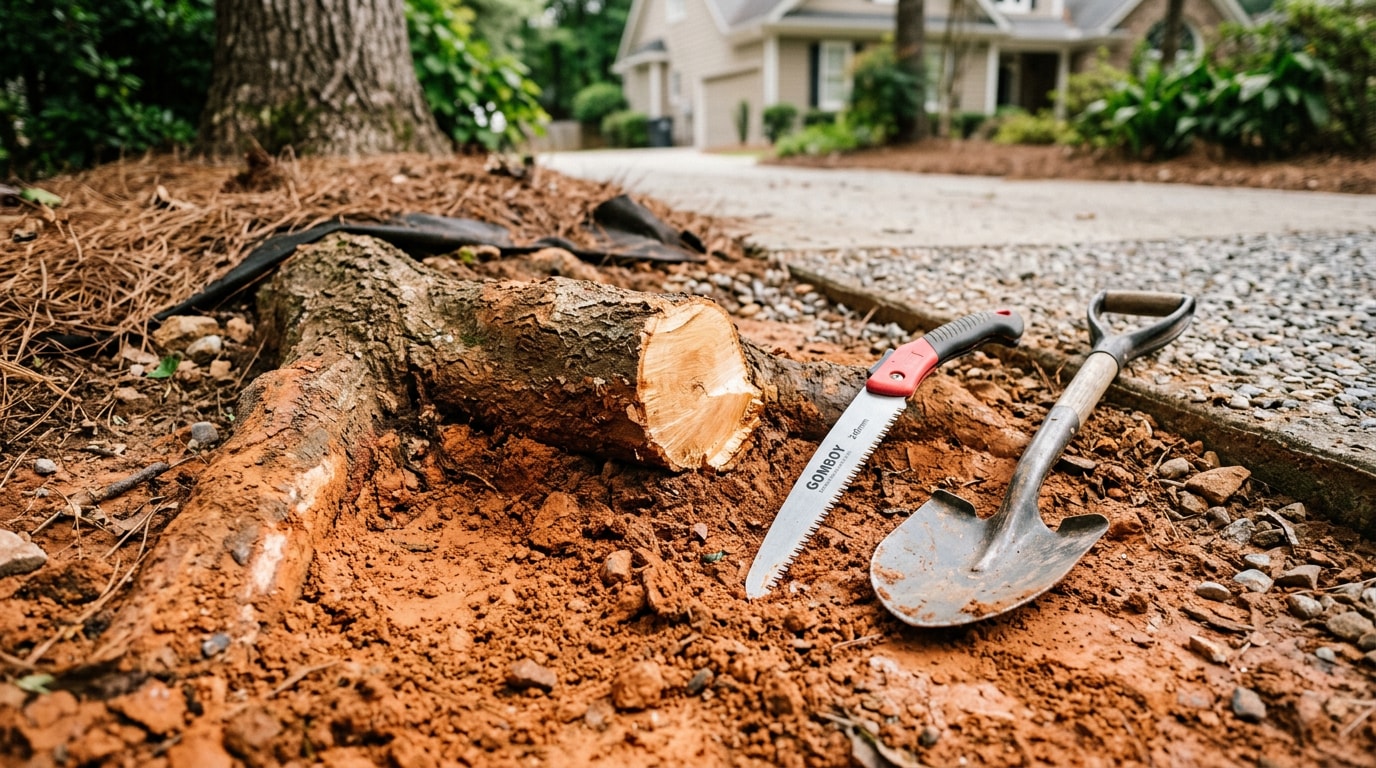
A chainsaw crew working with hand tools handles tight access points, fence lines, and areas near structures or utility lines where heavy equipment risks damage. It's slower per acre but far more precise.
Chemical Treatment
Herbicide treatment targets unwanted growth before mechanical work begins. It's used selectively, mostly on lots overrun with invasive species, since it takes weeks to work and isn't a standalone solution.
Forestry Mulching
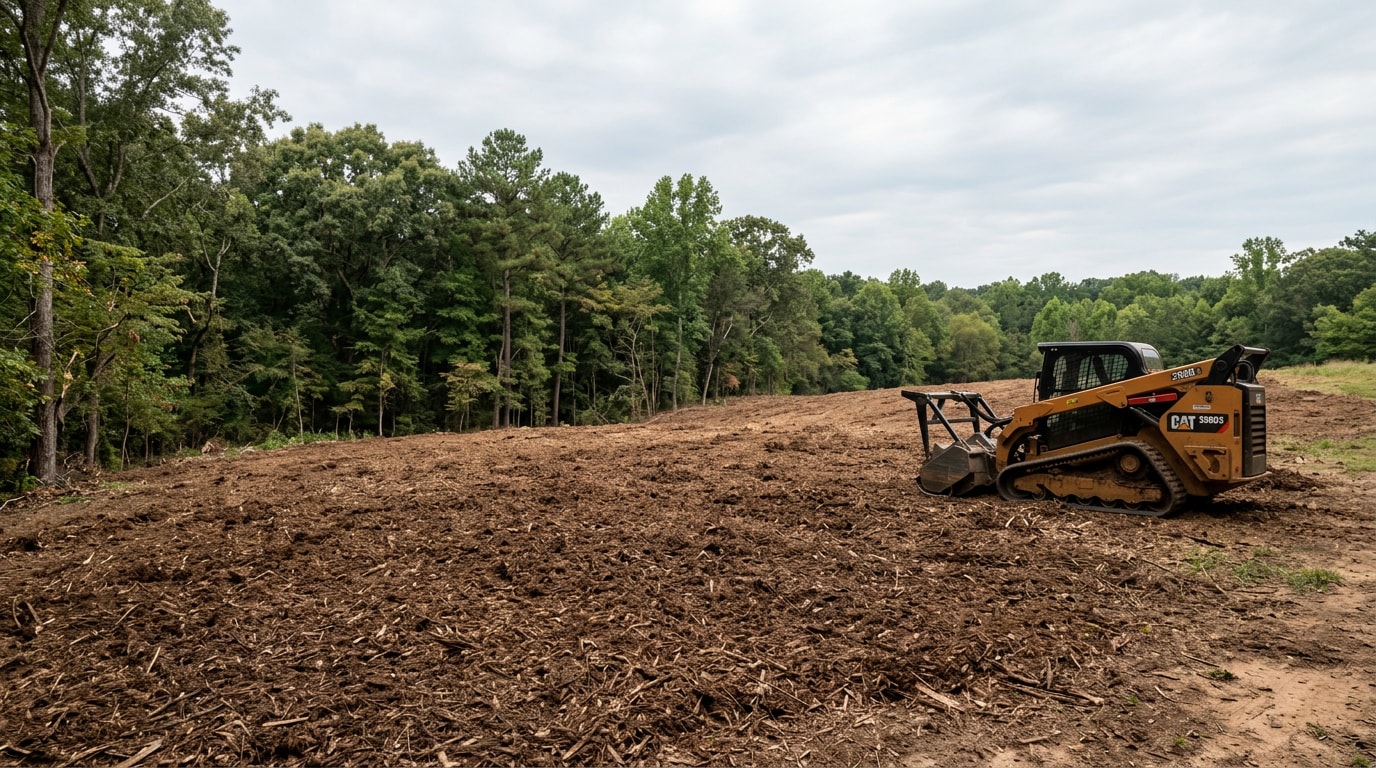
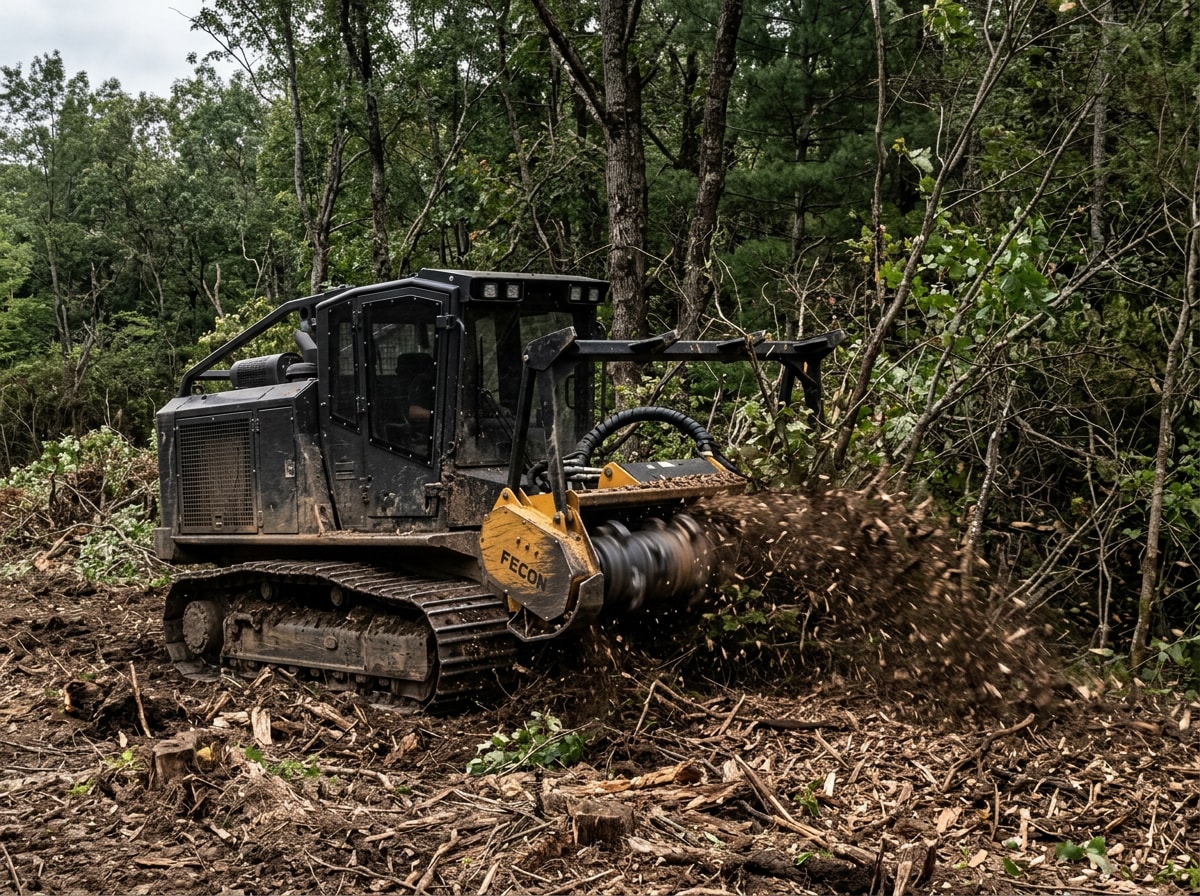
A high-horsepower mulching head grinds trees, brush, and stumps in place, leaving a mulch layer behind instead of cut piles. There's no burning, no dozer scarring, and no separate haul-off step, which is why it's become the default for most residential lots in the Upstate.
2026 Brush & Land Clearing Costs in Westminster, SC
Pricing depends on vegetation density, slope, and whether debris gets hauled or left on-site as mulch. Most 2026 industry cost guides converge on similar per-acre ranges, summarized below.
| Method | Typical Cost Range (per acre) | Best For |
|---|---|---|
| Forestry Mulching | $1,200 – $4,000 | Most residential lots; mulch stays in place |
| Mechanical (dozer/excavator) | $2,000 – $6,000+ | Large or heavily wooded sites |
| Manual (chainsaw crew) | $1,200 – $4,000 | Tight access, near structures or utilities |
| Chemical (herbicide) | $300 – $1,000, plus wait time | Invasive species control before other clearing |
A light-brush quarter acre often falls at the low end of these ranges, while a heavily wooded acre with stumps and haul-off pushes toward the top. For a closer look at tree-specific pricing in this market, see our Cost to Cut Down a Tree in Westminster, SC guide. If you want a number specific to your lot instead of a range, request a free estimate and we'll walk the property with you.
Why Hire a Professional Crew for Brush Removal in Westminster
A trained crew does more than cut back growth. Professional work includes erosion control, debris handling, and leaving the property level and ready to use.
This matters most on wooded or lake-adjacent lots, where root systems, slope, and soil type complicate even a simple cleanup. Our crews regularly work shoreline-adjacent properties around Lake Hartwell, and the recurring issue isn't the trees, it's privet and kudzu root mats that regrow within a season if they're only cut and not ground out.
Done right, brush removal sets up drainage and grading that won't need redoing later. See our land clearing services for how a full clearing project is scoped from start to finish.
Brush Removal & Bush Hogging Services
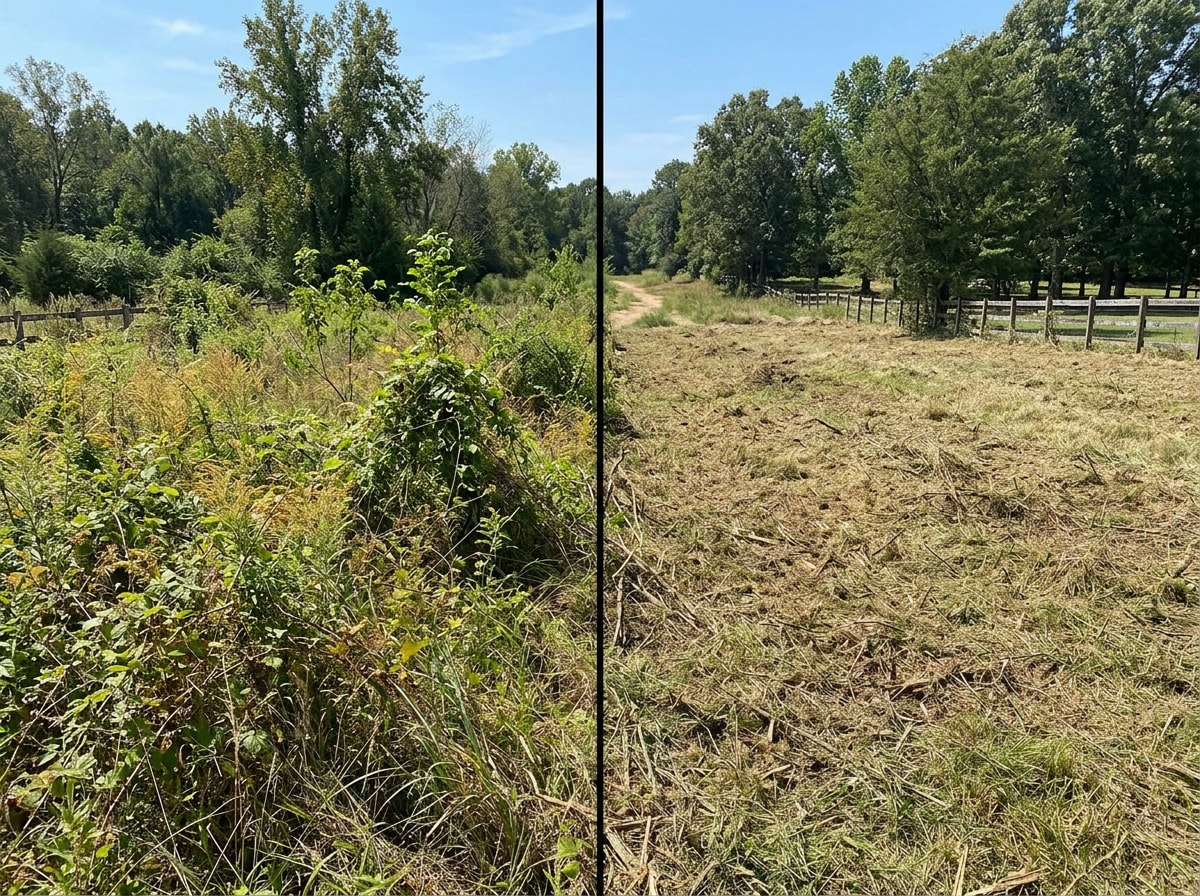
Bush hogging and brush removal clear tangled undergrowth, vines, and smaller vegetation that make a lot feel closed-in or unusable. Most full-service contractors bundle this with debris hauling rather than offering it as a standalone visit, since it's more efficient to handle an overgrown lot in one trip.
If the brush runs along a fence line or utility easement, that's a different scope than a building pad. Our right-of-way clearing and debris removal pages cover those specific jobs.
Tree Removal & Stump Grinding
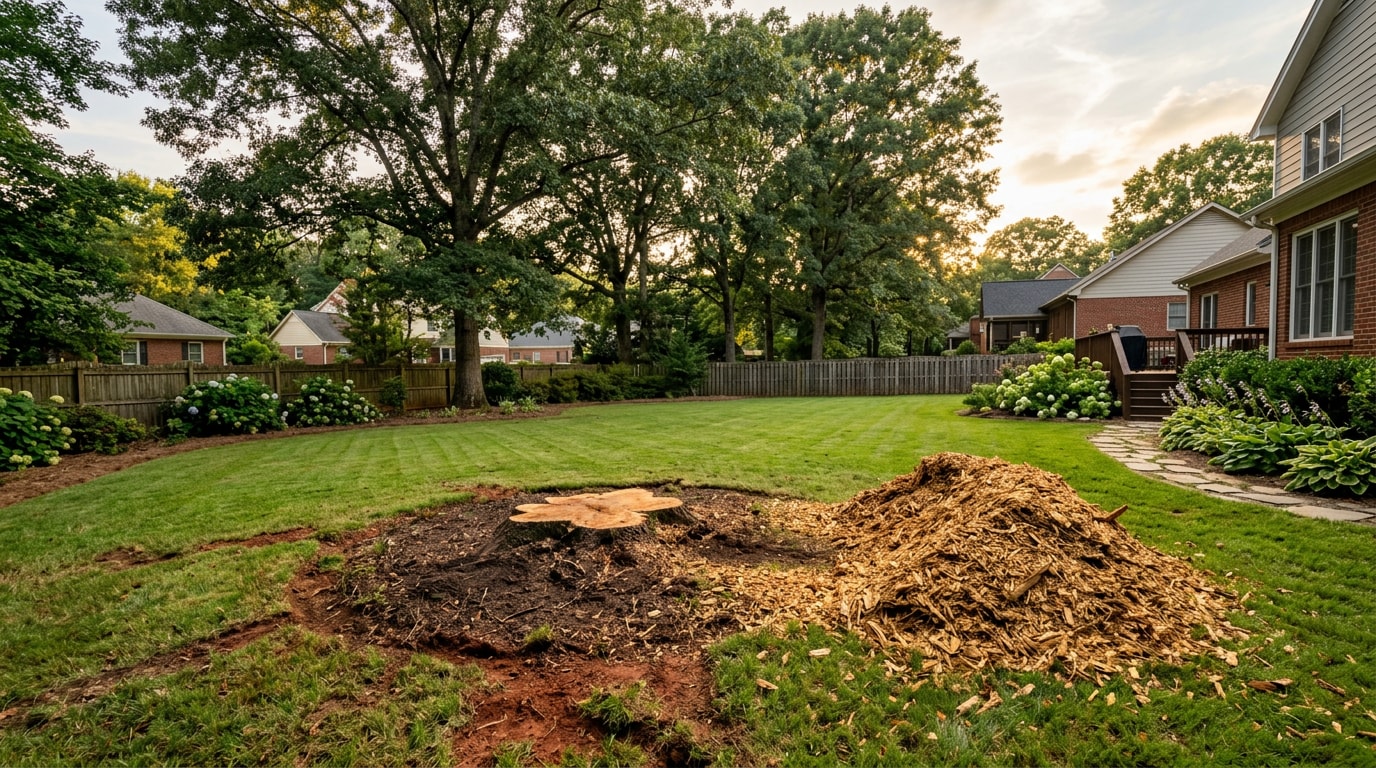
Tree removal and stump grinding clear the obstacles standing between a property and its next use, whether that's a driveway, a new structure, or a usable backyard. It helps to know the difference: stump grinding chips a stump down below ground level, while full stump removal pulls the entire root ball out.
Grinding is faster and cheaper. Removal is necessary if you're building directly over that spot. Our tree removal and stump grinding pages cover both in detail.
Equipment Used for Brush & Tree Removal
What happens to the material once it's down matters as much as how it's cut. Chippers and mulchers turn brush and trees into usable wood chips on-site instead of hauling everything away as waste, which cuts disposal costs and leaves a byproduct reusable for erosion control.
Crews typically run a mix of:
- Skid-steer mounted mulching heads for lighter brush and sub-10-acre lots
- Excavator-based mulchers for larger stems and rocky or uneven terrain
- Chainsaw crews with chippers for tight-access manual work
- Dump trucks or trailers for haul-off when mulch isn't left in place
Permits, Burn Rules, and Invasive Brush in Westminster, SC
This is the part most competitor pages skip, and it's where Westminster property owners get surprised. South Carolina doesn't issue a traditional burn permit, but state law still requires citizens to notify the South Carolina Forestry Commission before burning yard debris , including land-clearing piles. Skipping that notification call can turn a simple brush pile burn into a legal problem.
Invasive brush adds another wrinkle. Kudzu is common across the Upstate, and Clemson University research notes it was originally introduced into the southern U.S. as an erosion-control species before it became the regional nuisance it is today. Chinese privet behaves the same way: mechanical clearing handles the visible growth in one visit, but the root systems often resprout, so a one-time cut rarely finishes the job on an established thicket.
Licensing and safety training matter here too. Reputable crews running chainsaws and felling equipment train to the safety practices, means, methods and operations for all types of logging set out in OSHA's logging operations standard, even on residential jobs.
Choosing a Local Crew in Westminster, SC
Local expertise matters more here than it might elsewhere. A Westminster-based crew understands the area's slopes, soil, and invasive growth patterns in a way a regional generalist usually doesn't.
Licensing, insurance, and safety protocols matter too. Heavy equipment and chainsaws on a residential lot carry real risk if handled carelessly. We also serve neighboring Oconee County and Seneca, SC if your project spans multiple properties.
Learn more about our full range of work on the Argus Forestry homepage, or get a free estimate for your Westminster lot.
FAQ
What does tree brush removal consist of?
Brush removal clears trees, stumps, brush, vines, and smaller vegetation from a property. It's often bundled with debris hauling or mulching so the lot is left usable in one visit.
Can you clear land with large trees, or just brush?
Both. Crews handle everything from small brush and undergrowth to large trees, stumps, and leftover debris, depending on the scope of the project.
Do you need a permit to clear land in Westminster, SC?
Often, yes, especially for work near wetlands or removal of protected tree species. South Carolina doesn't issue a formal burn permit for yard debris, but state law requires notifying the SC Forestry Commission before burning any cleared brush.
Is land clearing the same as excavation?
No. Land clearing removes vegetation and obstacles, while excavation digs and moves soil to create foundations for buildings, ponds, or similar structures.
How much does brush removal cost in Westminster, SC?
Most residential lots fall between $1,200 and $4,000 per acre for forestry mulching, with mechanical and manual clearing running similar or slightly higher depending on access and debris volume. Heavily wooded acreage with stump removal and haul-off costs more.
How do you clear land without a tractor?
Smaller areas can be handled with chainsaws, brush cutters, and axes. Larger projects usually call for a rented stump grinder or a professional crew with mulching equipment.
Will brush grow back after clearing?
It can, especially invasive species like kudzu and Chinese privet that resprout from the root system. Forestry mulching reduces regrowth more than simple cutting, but established invasive thickets often need a follow-up treatment.