Transplanting pine trees in Six Mile, SC takes more planning than moving a maple or dogwood, thanks to the deep, resinous root systems common to loblolly, white, and shortleaf pines across Pickens County. Get the timing, root ball size, and aftercare right, and a relocated pine can settle into its new spot for decades. Get any one of those wrong, and you're looking at a dead tree and a wasted weekend.
Do Pine Trees Transplant Well?
Pine trees can transplant successfully, but they're harder to move than most deciduous species because of their deep, wide-spreading root systems and sensitivity to root disturbance. Success depends heavily on the tree's size, overall health, and the season you choose. Smaller, younger pines handle the process far better than mature specimens.
As needle-leaf conifers, pines often develop a dominant taproot early in life, along with a web of lateral roots that spread well beyond the drip line. When that root system gets cut or crushed during digging, it takes longer for the tree to recover, sometimes a full growing season. Our crews across Six Mile and the rest of Pickens County see transplant failures most often with mature loblollies that were planted too close to a driveway, septic line, or new home site years earlier, then moved too fast when the spot turned out to be wrong.
When Is the Best Time to Transplant Pine Trees?
Move pines during dormancy: early spring before new growth starts, or early-to-mid fall before the first hard frost. This single decision affects transplant success more than almost any other factor, and it's the one Six Mile homeowners should settle first.
Container grown plants can be safely planted at any time of the year, but they are best planted in the fall to take advantage of the dormant season root growth, since roots of ornamental plants in the Southeast continue to grow throughout the warmer fall and winter months while the top is dormant. That head start on root growth is part of why fall is the preferred window for moving an established pine, not just a newly purchased one.
When to Avoid Moving a Pine
Summer transplanting is risky because the tree is actively growing and losing moisture through its needles faster than a disturbed root system can replace it. Deep winter is just as problematic once the ground freezes, since frozen soil makes digging difficult and damages fine roots. Aim for late October through early December, or late February into March, to stay inside the dormant window.
Factors That Affect Transplant Success
Timing alone doesn't guarantee a pine survives the move. Tree size, age, and the weather on moving day all swing the odds significantly.
Younger, smaller pines (generally under a few feet tall) adapt faster because a larger share of their root system survives the dig intact. Mature pines carry a higher shock risk and usually need professional equipment to move safely. All trees experience transplant shock regardless of size when planted, and during that period both root and shoot growth slow down until the roots re-establish. A 1-inch diameter tree typically develops an established root system by the end of its first year, while a 4-inch diameter tree needs a minimum of five years. That's a useful benchmark for setting expectations before you dig: the bigger the pine, the longer the recovery, no matter how carefully you move it.
Avoid transplanting during drought, a heat wave, or a hard freeze. Any one of those stacks extra stress on top of the shock the tree already takes on from root disturbance.
Tools and Equipment You'll Need
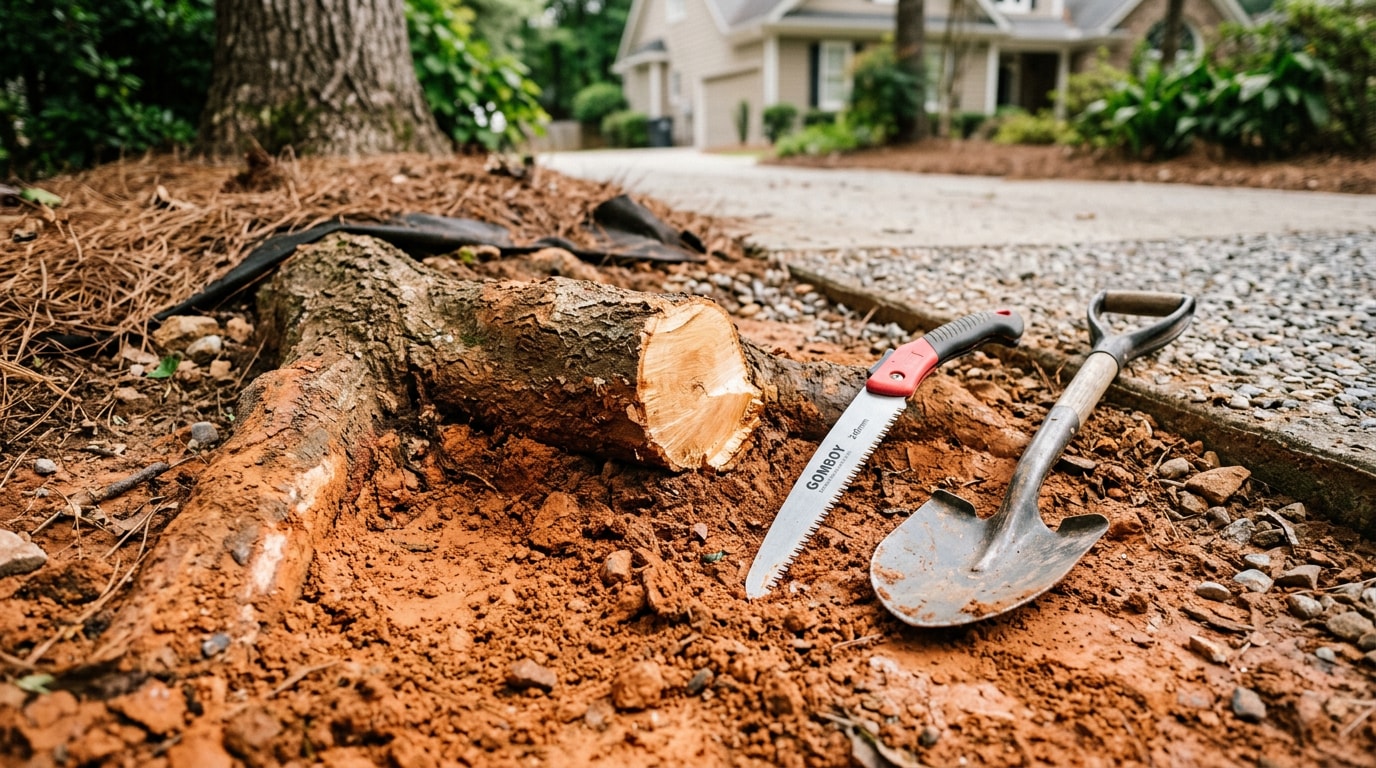
A basic transplant calls for:
- A sharp spade or transplant shovel
- A larger digging shovel for the new hole
- A wheelbarrow or tarp for moving the root ball
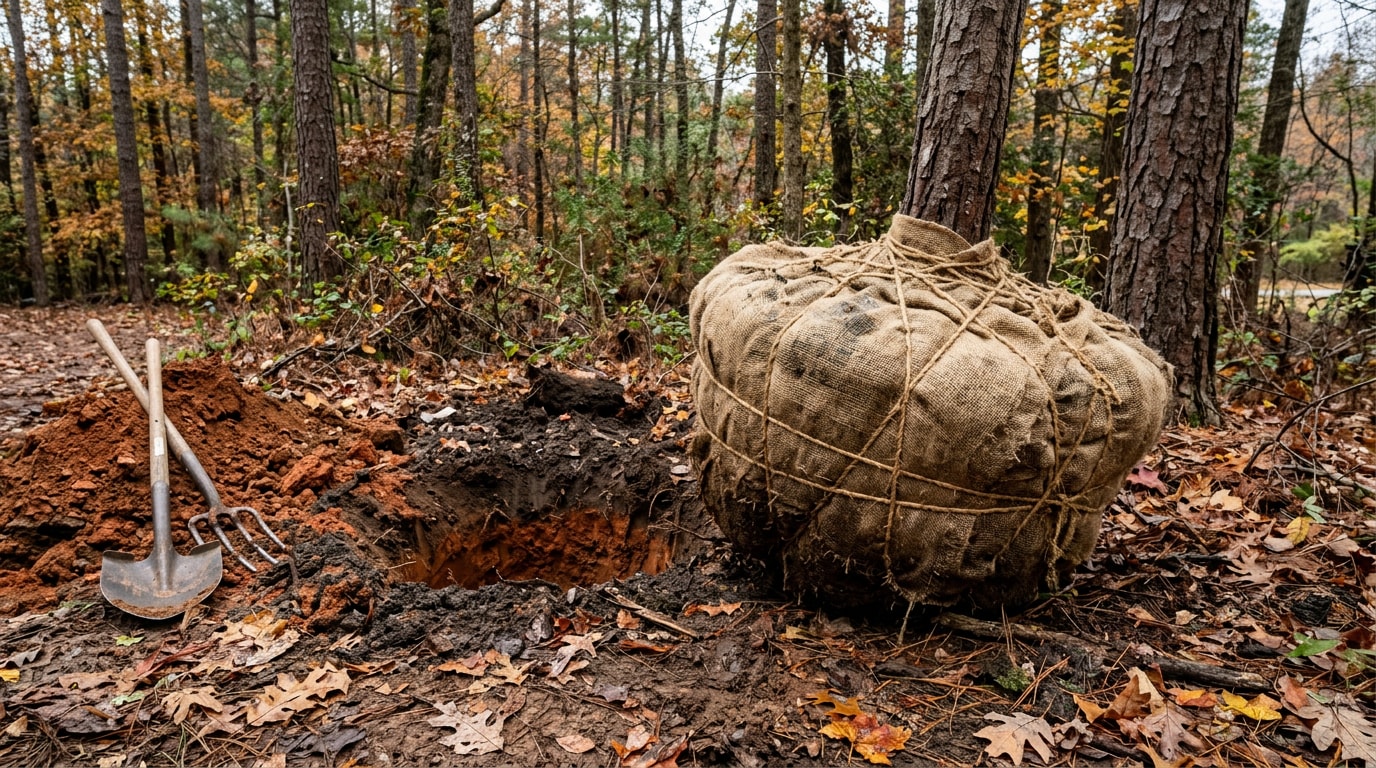
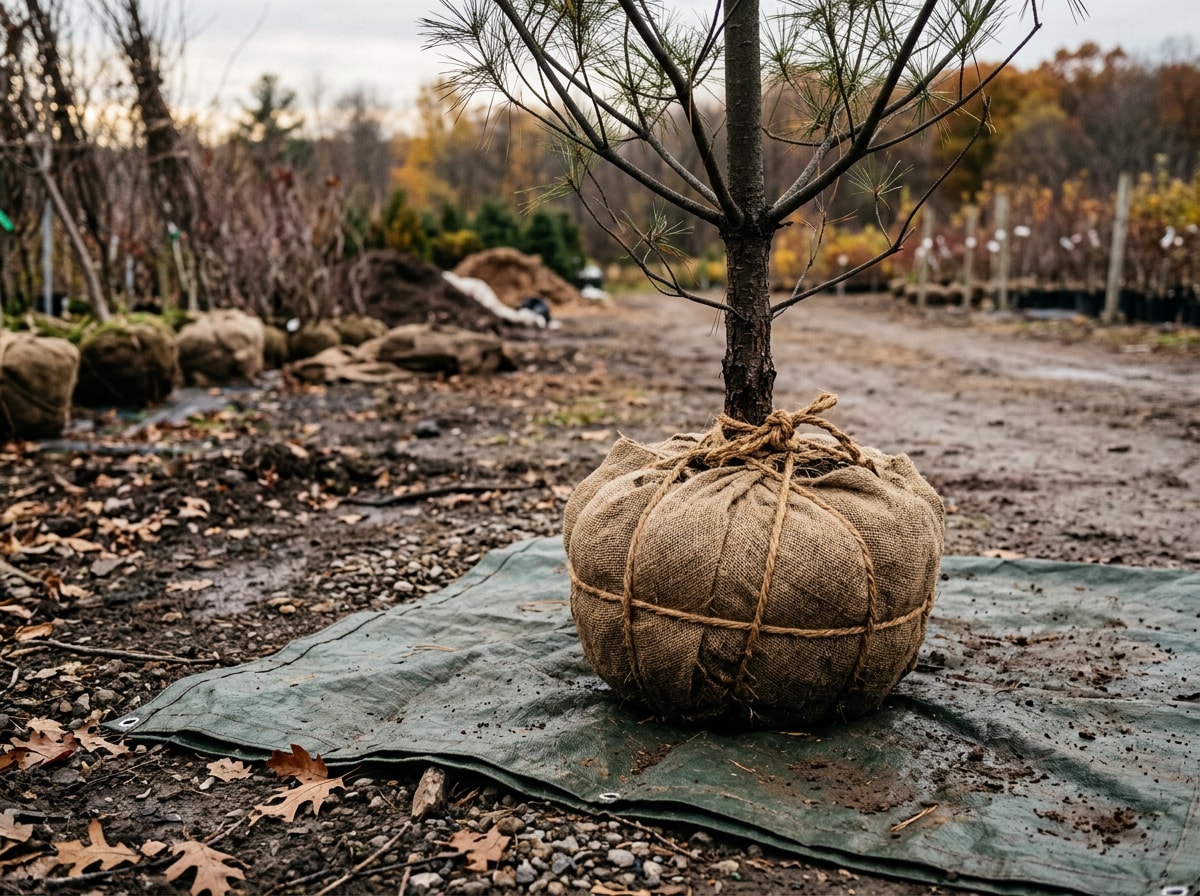
- Burlap and twine for wrapping the root ball
- Mulch for the new planting site
- A reliable water source
- Old tarps or towels to keep exposed roots from drying out
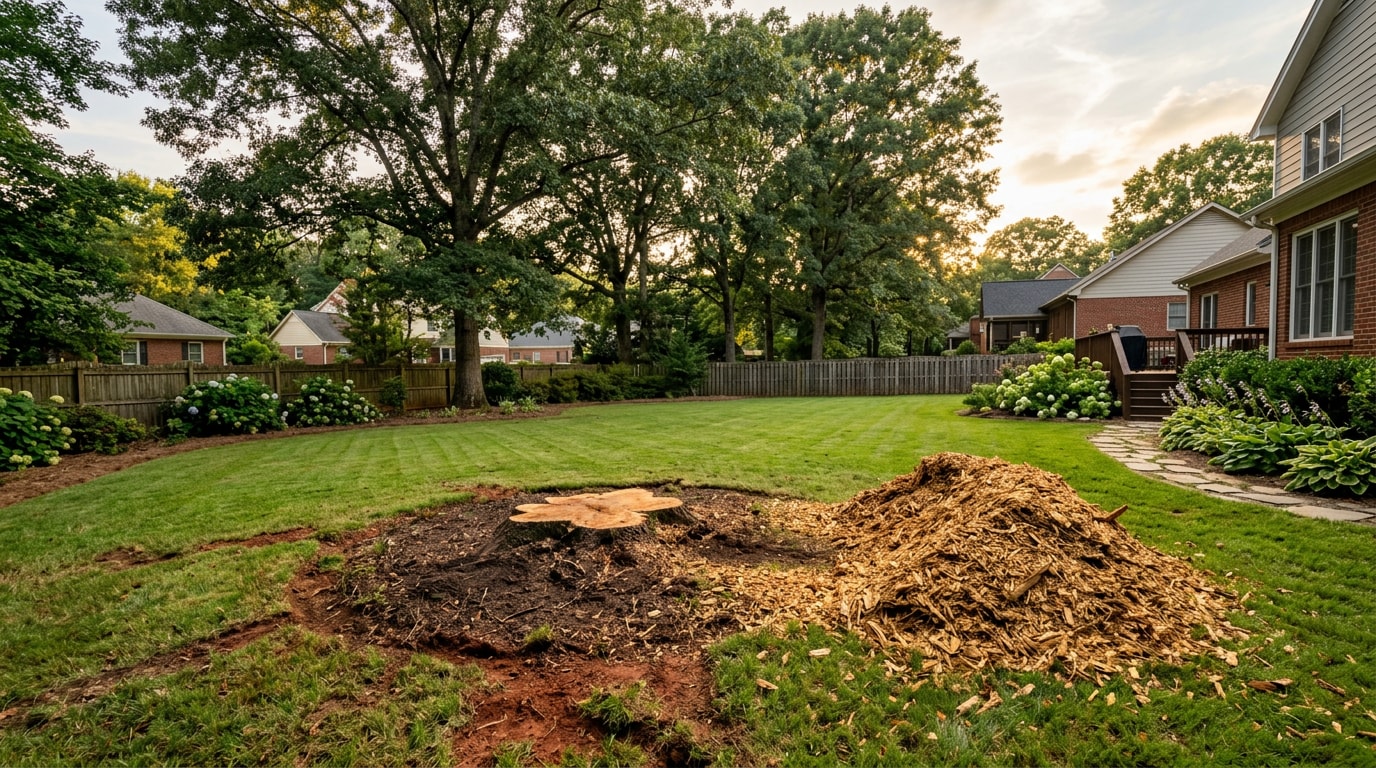
Larger pines outgrow hand tools fast and usually call for rental equipment like a tree spade. If you're weighing that option, our tree spade rental guide for Clemson, SC breaks down sizes, costs, and when renting makes more sense than hiring a crew. If the new planting site still has an old stump in the way, clear it first with our stump grinding service so the new tree isn't competing for root space.
How to Transplant a Pine Tree: Step-by-Step
Transplanting a pine comes down to four stages:
- Assess the tree and prep the new site
- Dig and protect the root ball
- Set the tree at the correct depth
- Backfill, water, and mulch
Skipping any one of these is the most common reason pine transplants fail, especially on larger trees with heavier, more fragile root balls.
Assess the Tree and Prepare the New Site
Before digging, check the pine for yellowing needles, dieback, or fungal growth, any of which are reasons to pause and look closer at the tree's health. At the same time, clear weeds from the new site, loosen compacted soil, and confirm the spot drains well. Pines decline quickly in heavy, waterlogged clay, so drainage isn't optional.
Dig the Root Ball and Plant at the Right Depth
Root ball size should scale with trunk diameter, not guesswork. A root ball that's too small strips away roots the tree needs to survive. One planted too deep buries the trunk flare, which can slowly suffocate the tree over several seasons.
The table below reflects common nursery and transplanting benchmarks, consistent with the size-based approach used in the ANSI A300 standards that address plant and site inspection, timing of transplanting, and determining the root ball size for transplanting operations .
| Trunk Diameter (measured 6 in. above ground) | Minimum Root Ball Width | Minimum Root Ball Depth |
|---|---|---|
| 1 inch | 16 inches | 14 inches |
| 2 inches | 28 inches | 19 inches |
| 3 inches | 32 inches | 20 inches |
| 4 inches | 38 inches | 22 inches |
| 6 inches | 50 inches | 24 inches |
Dig in a ring around the tree at the appropriate radius, undercut gradually to free the root ball, and set the trunk flare at or slightly above grade in the new hole. Never below it.
Special Considerations for a Six-Foot Pine Tree
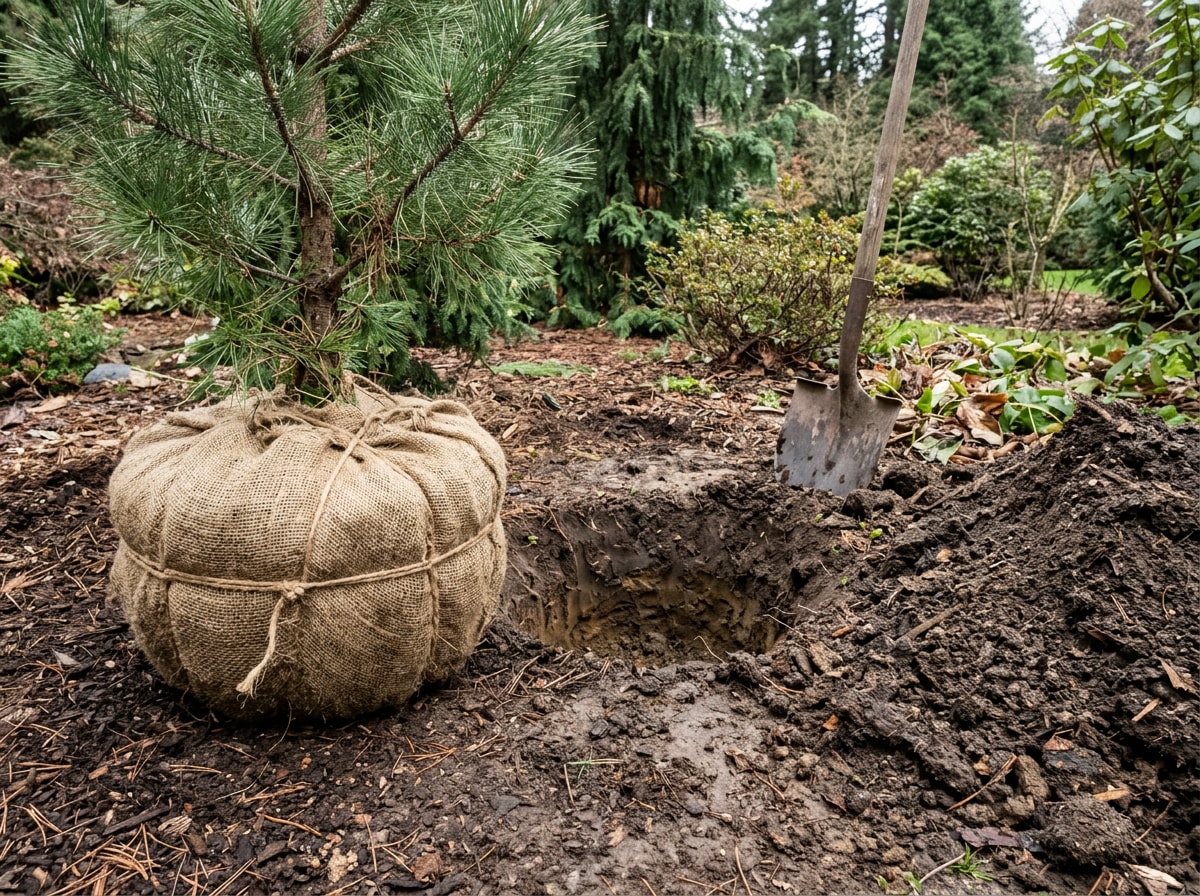
A six-foot pine typically needs a hole two to three feet deep and roughly twice the width of its root ball. By that size, the root ball is heavy enough to require two or more people, or machinery, to move safely. Attempting it alone risks dropping or cracking the root ball, undoing weeks of careful digging in seconds. If the trunk diameter exceeds two inches, plan on extra hands or rental equipment before you start.
DIY or Call a Professional Crew
Small pines, generally under four to five feet tall with a narrow trunk, are realistic DIY candidates for a patient homeowner with the right tools. Larger or mature pines usually call for a tree spade and an experienced crew, since the root ball alone can weigh several hundred pounds.
Before deciding, check your trunk diameter, how much equipment access the site allows, and whether you actually have the manpower on hand. Homeowners in our Six Mile, SC service area typically get the best results scheduling professional help ahead of the fall dormant window, rather than waiting until a tree is already stressed. If any of those checks raise doubts, get a free estimate before you risk a tree you've spent years growing. Our tree service team handles everything from small residential moves to full-size pine relocations with proper equipment.
Post-Transplant Care: What to Watch for After the Move
Water newly transplanted pines deeply once or twice a week for the first two to three growing seasons, tapering off as roots establish. A three-to-four-inch mulch ring helps retain moisture and regulate soil temperature, but keep it off the trunk itself.
Some needle yellowing or slower growth in year one isn't automatically a sign of failure. The Morton Arboretum's researchers have found that a tree can lose as much as 90% of its root system when it is removed from the nursery , so a transplanted pine is essentially rebuilding its water-gathering system from scratch. Patience during year one matters more than fast visible growth.
FAQ
Should I Fertilize Right After Transplanting?
No. Let the tree focus on root recovery during its first growing season. Fertilizing too early can push leaf growth the damaged roots can't yet support.
Should I Transplant Pine Trees in Winter?
Generally, no. Frozen or frosty ground damages fine roots and makes digging far harder, even though the tree itself is dormant.
Do Pine Trees Have Deep Roots?
Yes, especially mature trees, which develop extensive taproots and lateral root systems. That depth is a major reason larger pines are harder to transplant successfully than young saplings.
What Is the Proper Way to Transplant Young Pine Trees?
Container-grown or bare-root nursery stock transplants more reliably than wild seedlings, since nursery roots are already contained in a manageable root ball. Smaller trees around two feet tall generally adjust fastest to a new location.
How Long Does Pine Tree Transplant Shock Last?
Plan on roughly one year of root recovery per inch of trunk diameter. A 1-inch tree is usually established within a year; a 4-inch tree can take five years or more before it's fully settled.
Moving a pine successfully in Six Mile comes down to timing the dig, sizing the root ball correctly, and being honest about whether the tree's size is still a DIY job. If you'd rather not gamble on a mature pine, visit Argus Forestry or request a free estimate and we'll walk the site with you before anything gets dug.